Last updated: November 2026
Pet insurance guides by dog breed
Pet insurance isn't one-size-fits-all. Insurers price by breed because breeds get sick differently - a French Bulldog's breathing surgery and a Dachshund's back surgery are different risks with different price tags. Pick your breed for the conditions to watch, typical costs, and what to demand from a policy.
Cost figures below are typical ranges reported by vets and insurers, not quotes. Your premium depends on age, zip code, deductible, and reimbursement level.
Browse dog breed guides

French Bulldog
America's most popular breed (AKC, 2025) - and one of the priciest to insure, thanks to breathing and spine issues.
Insurance guide →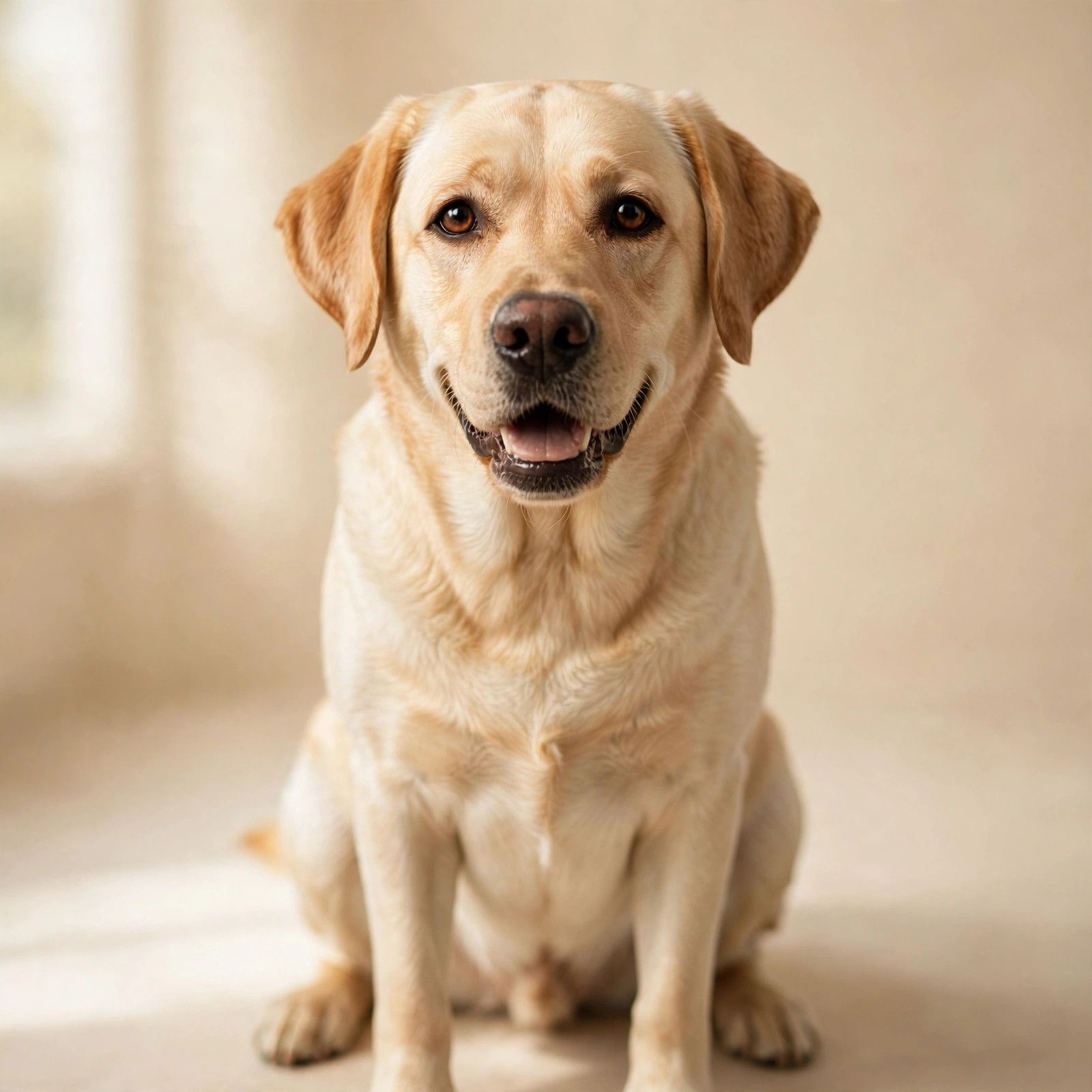
Labrador Retriever
Friendly, athletic, and famously hard on their joints - orthopedic coverage matters most here.
Insurance guide →
Golden Retriever
The family favorite with a serious cancer risk - this is the breed where high limits pay for themselves.
Insurance guide →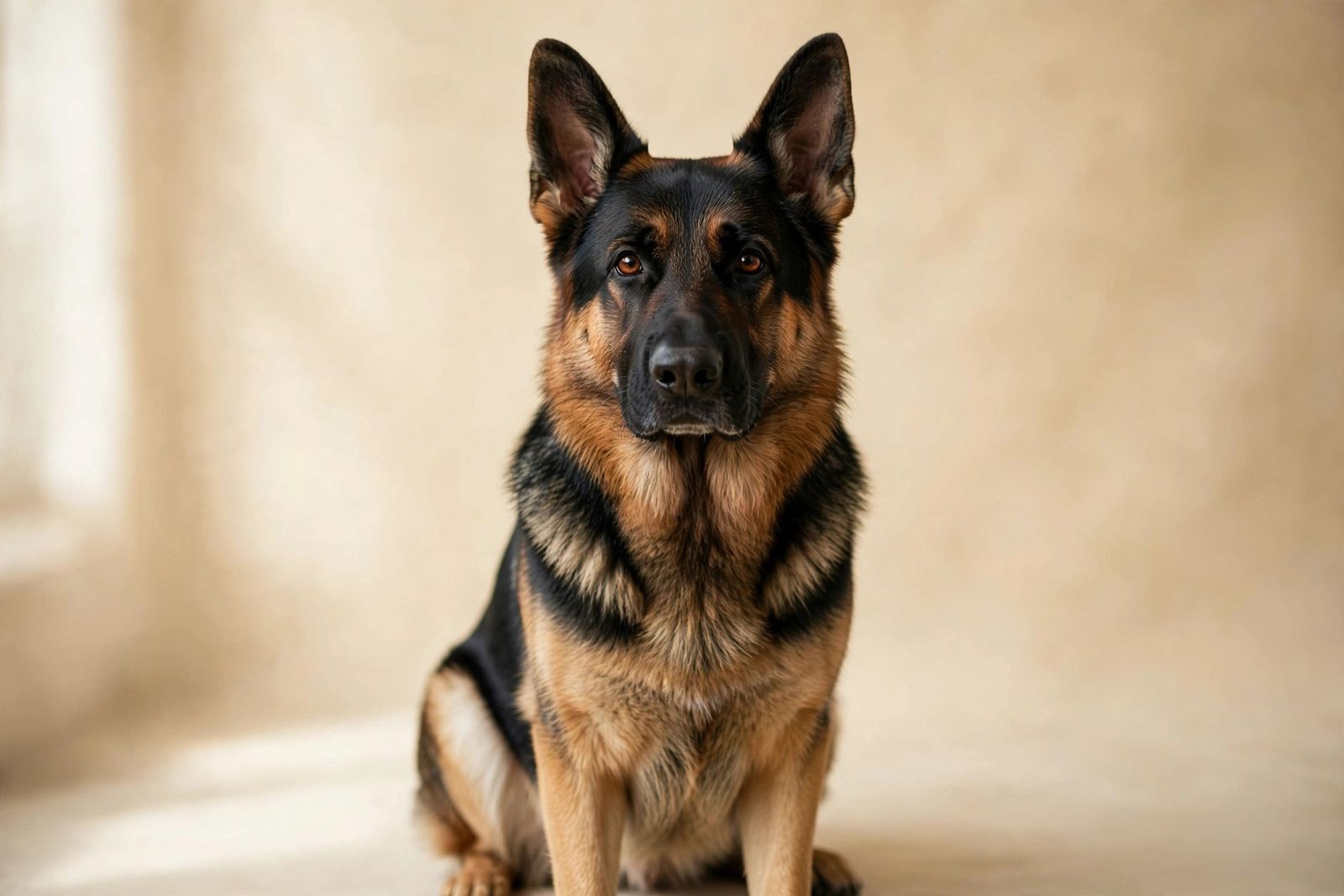
German Shepherd
A working breed with working-breed joints - plus a bloat risk that makes emergency coverage essential.
Insurance guide →
Goldendoodle
The popular crossbreed - healthier than some purebreds, but not the 'no health issues' dog marketing suggests.
Insurance guide →
Dachshund
Long back, big vet bills - IVDD is the #1 reason Dachshund owners are glad they bought insurance.
Insurance guide →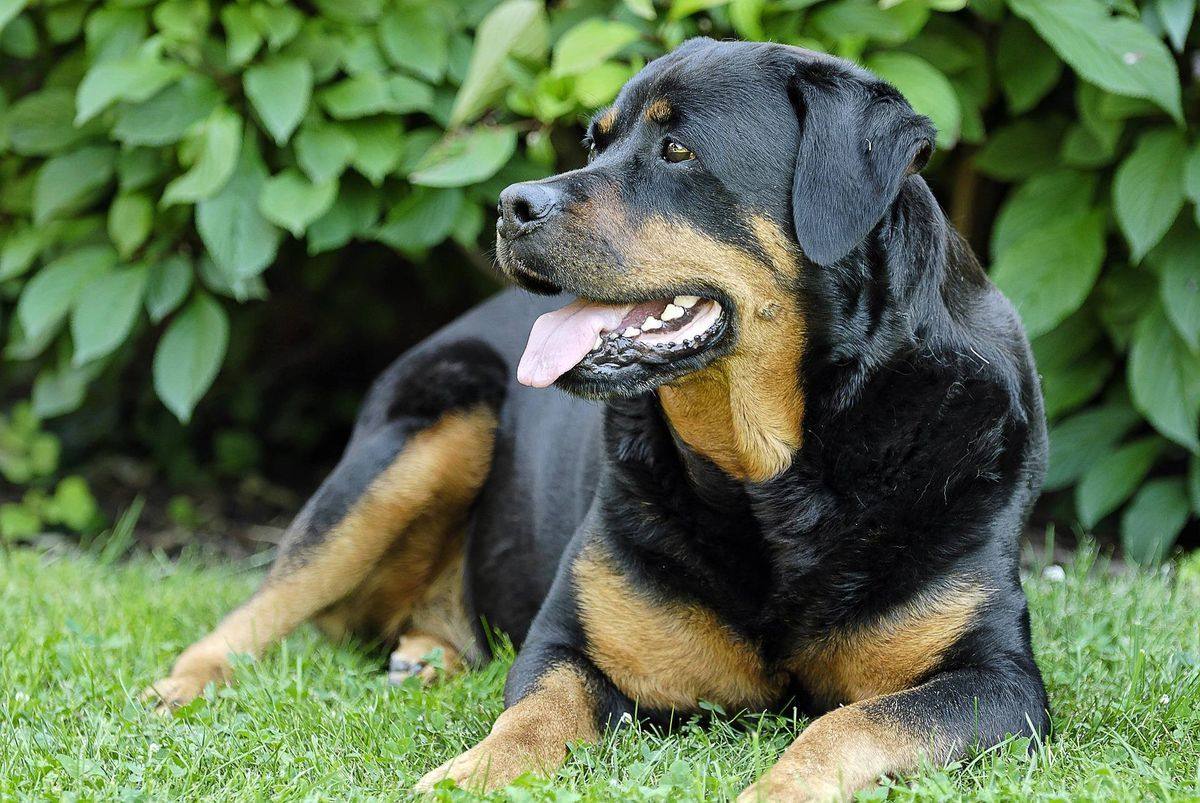
Rottweiler
America's 8th most popular breed (AKC, 2025) - loyal, confident, and carrying one of the heaviest orthopedic and cancer risk profiles of any dog.
Insurance guide →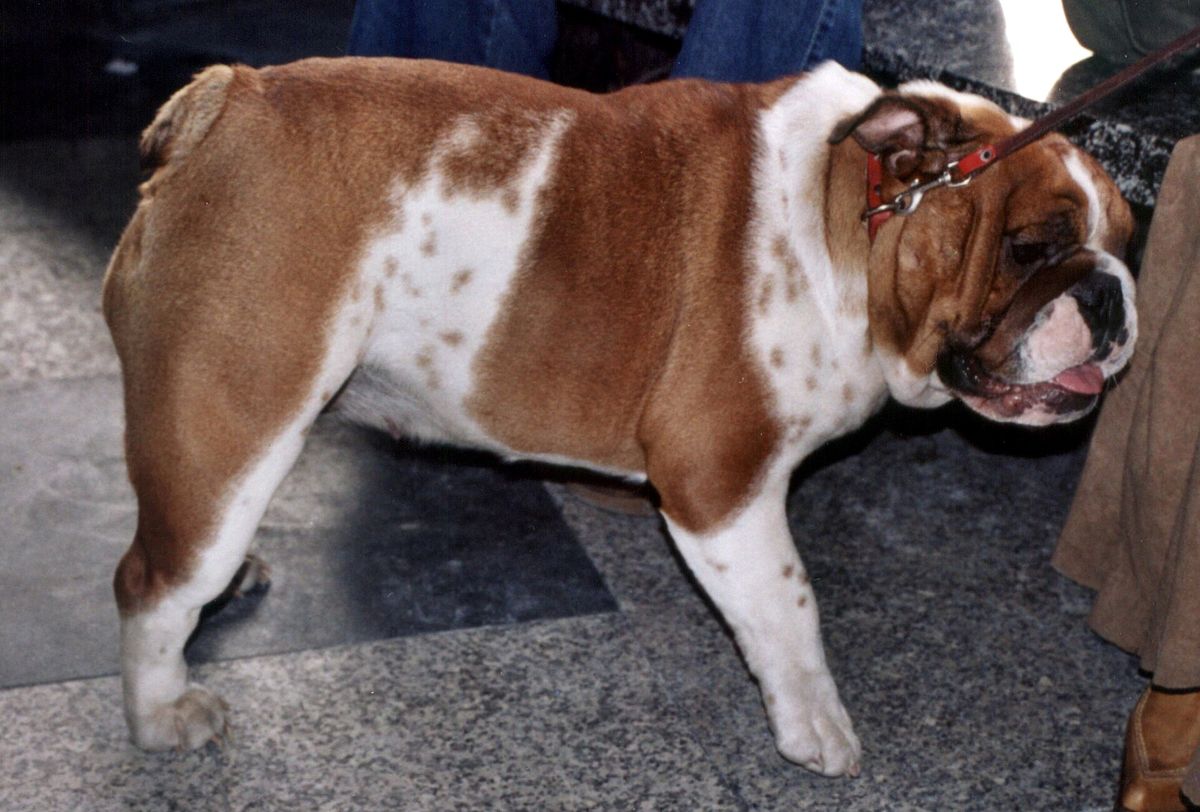
Bulldog
America's 10th most popular breed (AKC, 2025) - calm, loyal, and happiest next to their people, with a health profile that rewards planning early.
Insurance guide →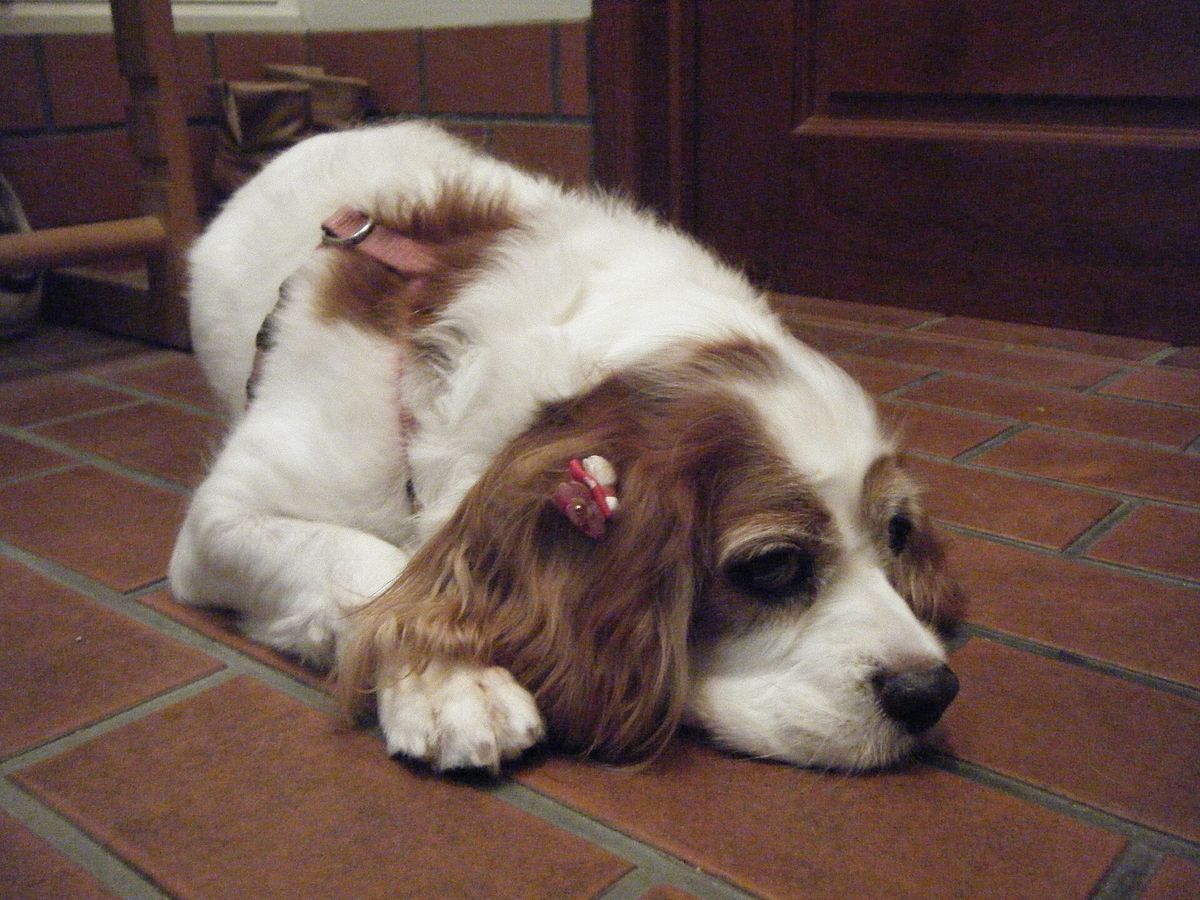
Cavalier King Charles Spaniel
America's 12th most popular breed (AKC, 2025) - gentle and devoted, with a heart profile that rewards planning early.
Insurance guide →
Shih Tzu
America's 21st most popular breed (AKC, 2025) - a devoted small companion whose care is mostly recurring: teeth, eyes, ears, and skin across a long life.
Insurance guide →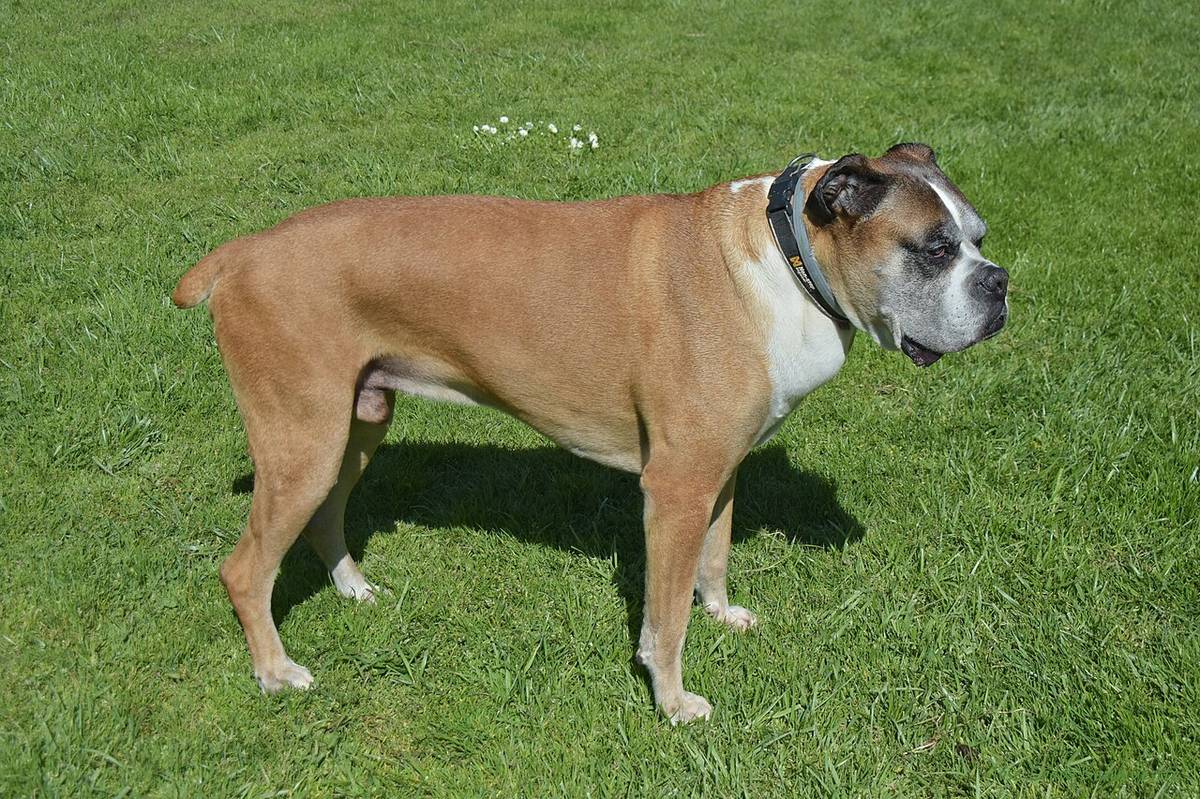
Boxer
America's 18th most popular breed (AKC, 2025) - loyal, playful, and full of energy, with a cancer profile that rewards planning early.
Insurance guide →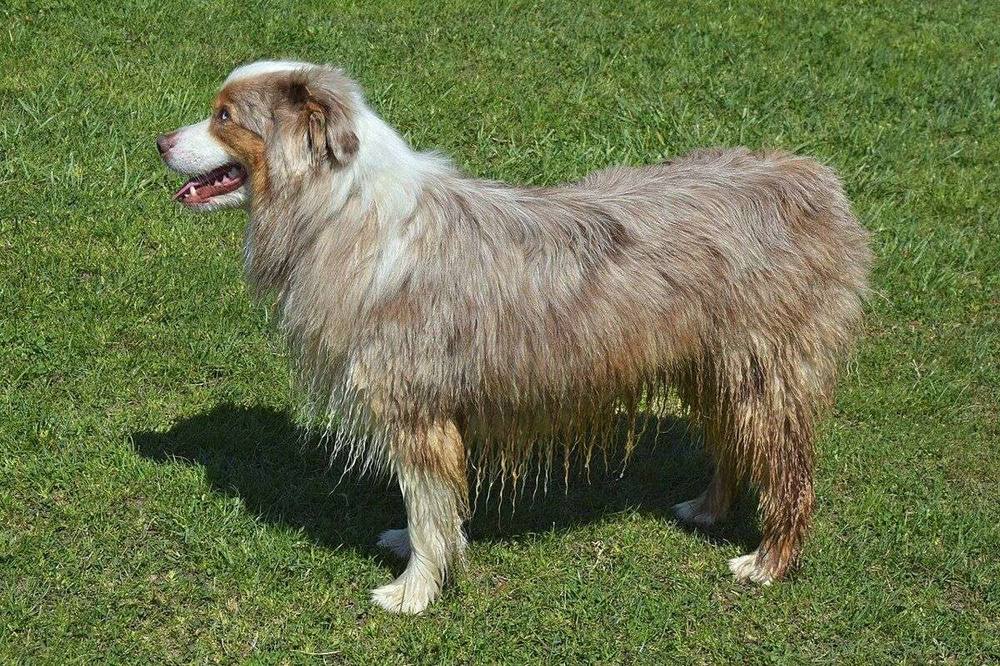
Australian Shepherd
America's 14th most popular breed (AKC, 2025) - brilliant, tireless, and devoted, with inherited eye conditions that reward planning early.
Insurance guide →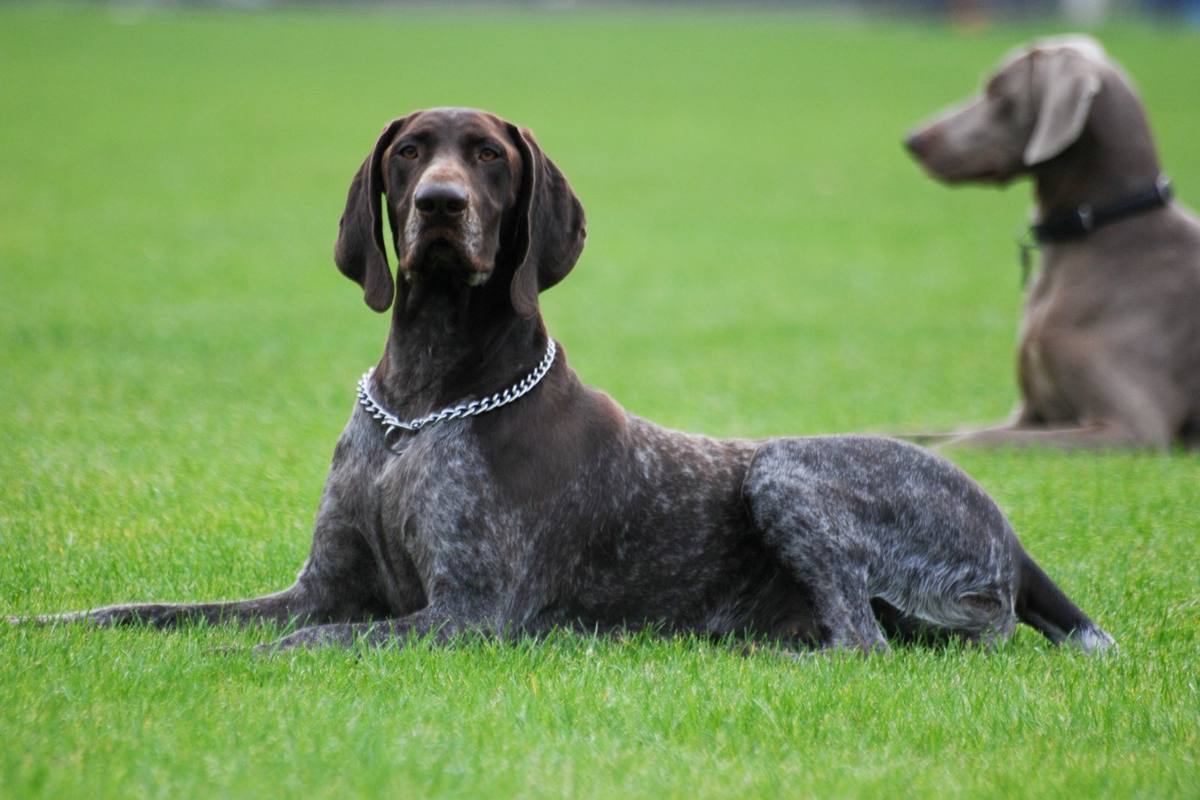
German Shorthaired Pointer
A versatile sporting companion built for all-day work in the field and in the water - loyal, eager, and devoted, with a joint and bloat profile that rewards planning early.
Insurance guide →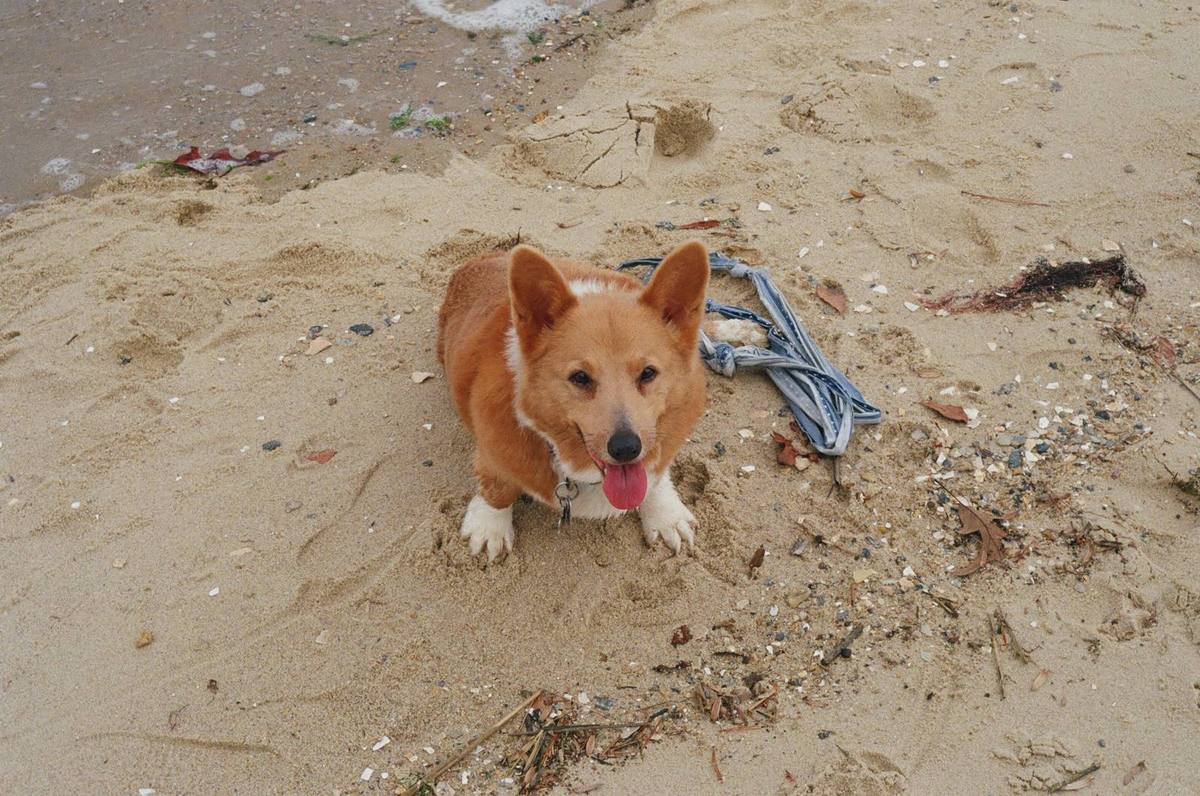
Pembroke Welsh Corgi
A big herding dog in a small, long body: bright, devoted, and happiest with a job to do, with a long back and an easy-gaining weight that reward planning early. Pembrokes commonly live into their early teens, and a 2024 UK study put life expectancy for the breed at 13.2 years.
Insurance guide →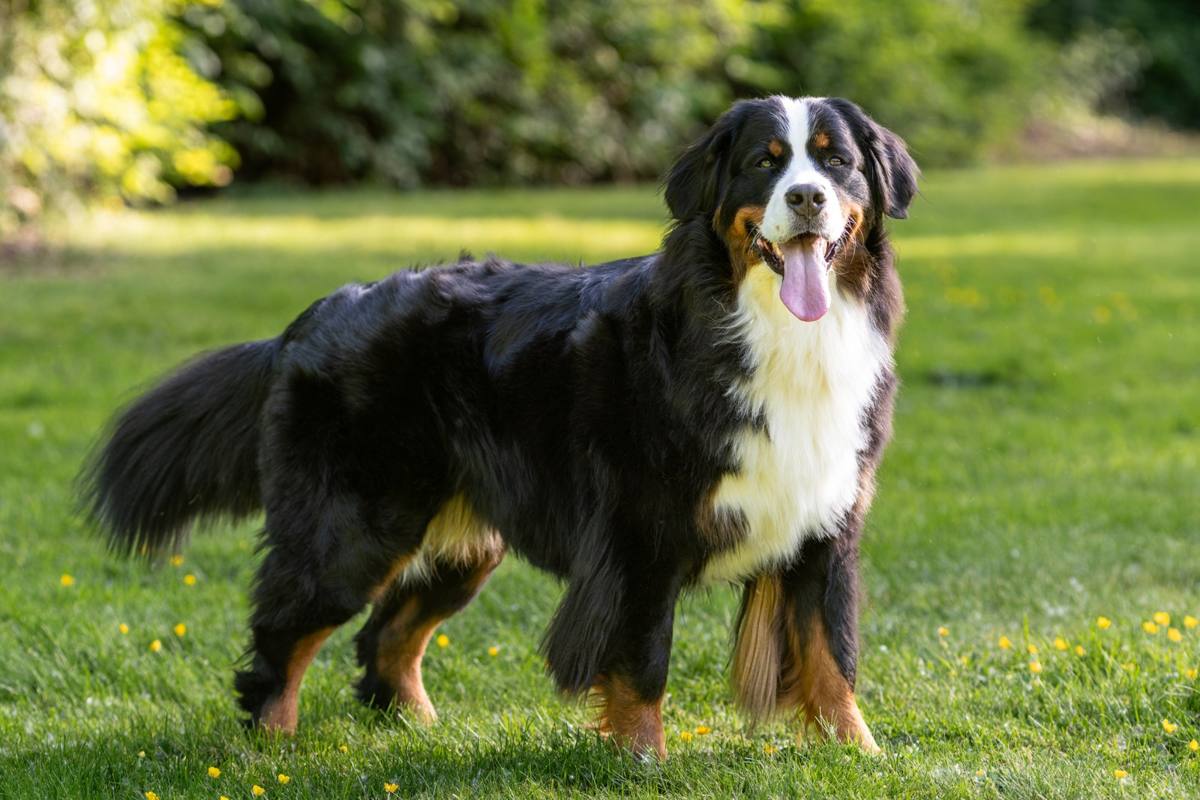
Bernese Mountain Dog
A gentle giant bred for draft work in the Swiss Alps, calm, devoted, and happiest beside their people, with a short life that deserves honest planning early. The AKC lists life expectancy at 7 to 10 years, and the largest Swiss cohort study found a median lifespan of 8.4 years.
Insurance guide →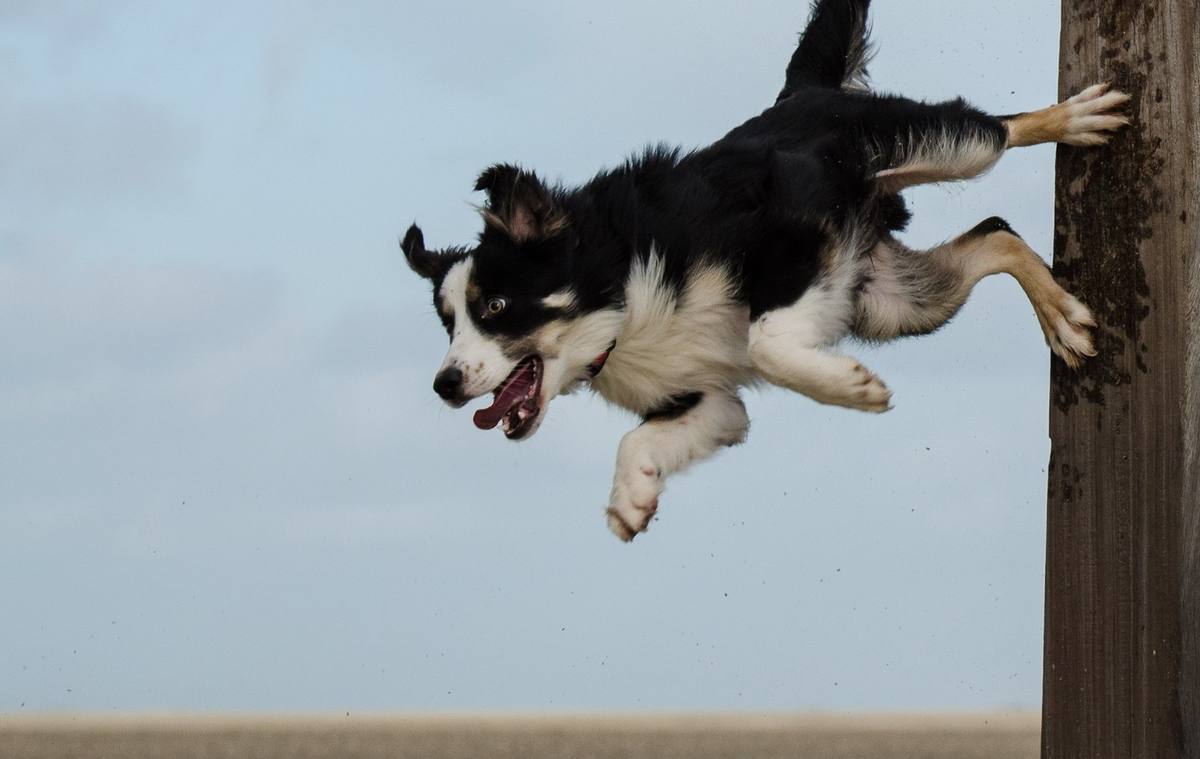
Border Collie
A tireless herding athlete, brilliant, focused, and devoted, who rarely slows down even when hurt, with a long life and inherited conditions that reward honest planning early. The AKC lists life expectancy at 12 to 15 years, and UK VetCompass life tables put life expectancy at birth at 12.1 years.
Insurance guide →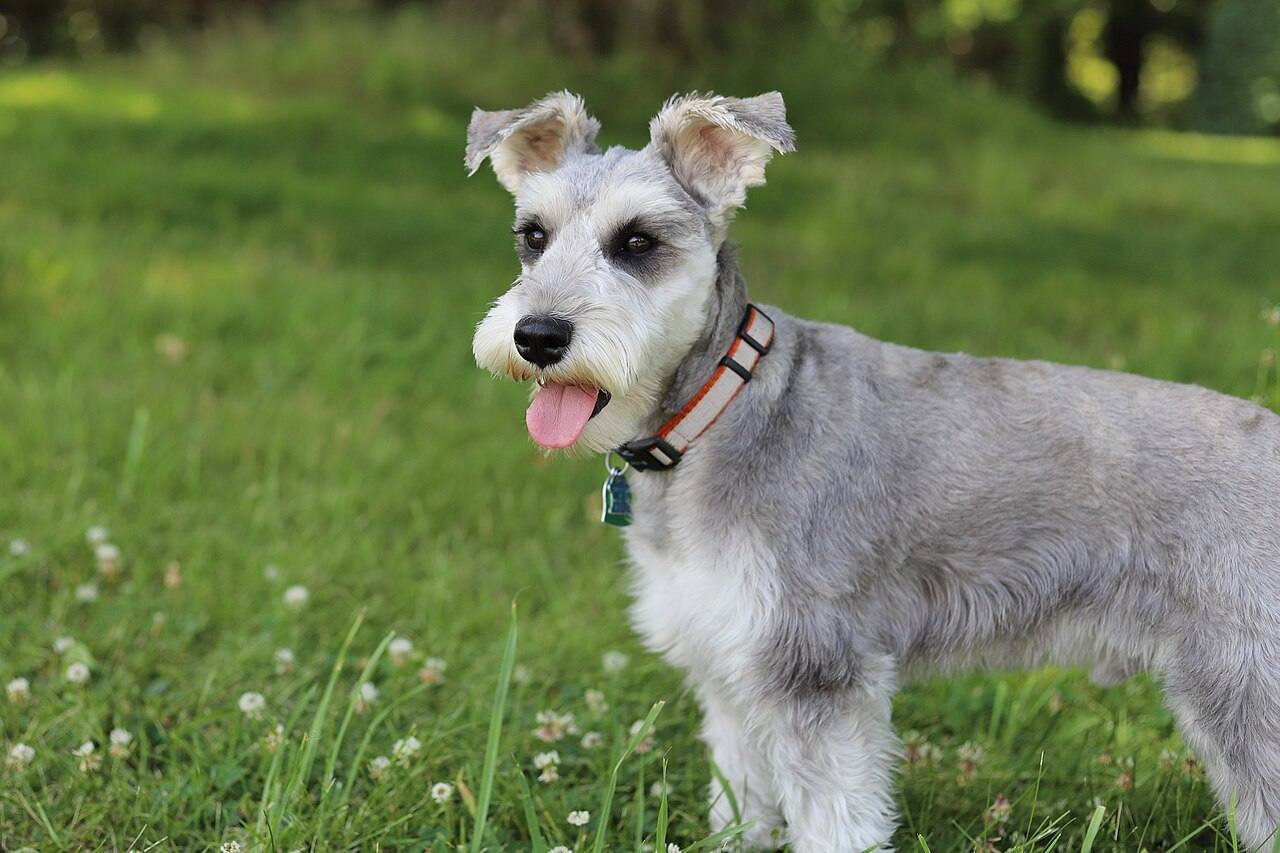
Miniature Schnauzer
A sturdy, cheerful, bearded little companion, bright, devoted, and happiest at the center of family life, and one of the sturdier small breeds in the records. The AKC lists life expectancy at 12 to 15 years, and a UK VetCompass breed study of 3,857 Miniature Schnauzers put median longevity at 11.6 years. The honest planning story is narrower than the marketing suggests: high blood fats and the pancreatitis link are worth preparing for, while dental, weight, and ear care do most of the real work.
Insurance guide →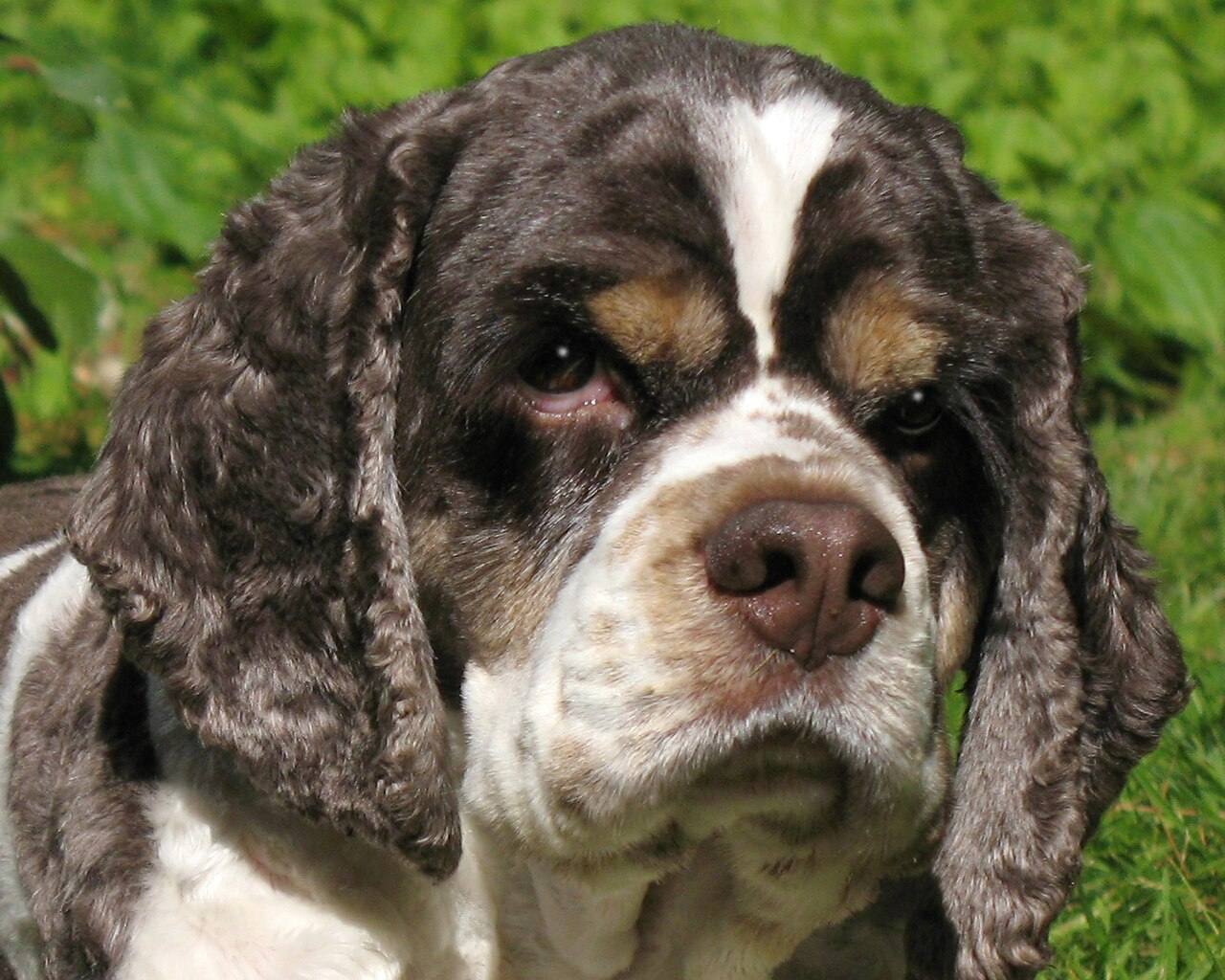
Cocker Spaniel
The smallest spaniel in the AKC Sporting Group, merry, gentle, and devoted, with a silky coat and long, low ears that ask for daily care. The AKC registers this breed simply as the Cocker Spaniel; internationally it is the American Cocker Spaniel, split from the English Cocker Spaniel in 1946. The AKC lists life expectancy at 10 to 14 years, and UK VetCompass life tables put life expectancy at birth at 11.3 years for Cocker Spaniels in a UK population of predominantly English Cockers. The honest planning story for this breed is ears first and eyes second, with a short list of inherited conditions where a screening exam or a DNA test tells you more than any statistic.
Insurance guide →
Yorkshire Terrier
A tiny, spirited terrier with a big personality and a long life ahead, happiest close to their people. The AKC lists life expectancy at 11 to 15 years, and UK VetCompass life tables put life expectancy at birth at 12.5 years, the second highest of the 18 breeds studied. The AKC breed standard caps a Yorkie at 7 pounds, yet the median adult pet Yorkie in UK VetCompass records weighed about 5.1 kg (about 11.2 pounds), heavier than the show standard, so real pet Yorkies often run bigger than the standard suggests. The honest planning story is teeth first by a wide margin, knees second, then a list of inherited conditions where early enrollment and breeder questions matter more than any statistic.
Insurance guide →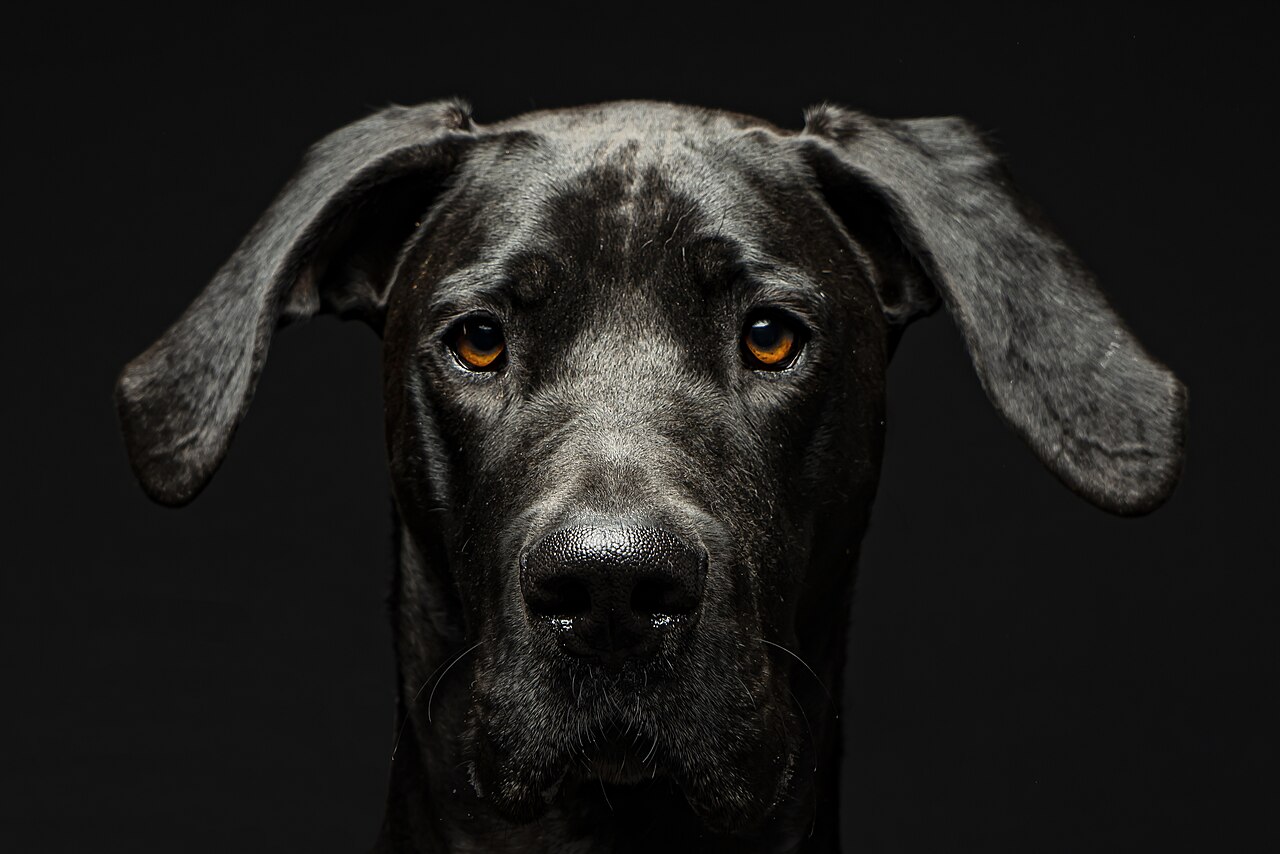
Great Dane
A gentle giant, among the tallest dogs in the world, calm, devoted, and happiest leaning against their people, with one of the shortest lives on this site and risks that reward honest planning early. The AKC lists life expectancy at 7 to 10 years. The planning story starts with a stomach emergency that can arrive without warning, then a heart condition that screening can find early, and a bone cancer risk among the highest of any breed.
Insurance guide →
Chihuahua
The smallest recognized dog breed, devoted, alert, and full of personality, happiest close to their people. The AKC breed standard lists 5 to 8 inches and a weight not exceeding 6 pounds, and the AKC lists life expectancy at 14 to 16 years. UK VetCompass life tables put life expectancy at birth at 7.9 years instead - a different method, from UK primary-care dogs that died between 2016 and 2020, in a breed whose UK numbers had surged in the years before, so the deaths sample skewed young. Both figures are printed here with their labels, because they answer different questions. The planning story is that a tiny dog collects vet bills: teeth first, kneecaps second, and then the heart and airway care of a long senior life.
Insurance guide →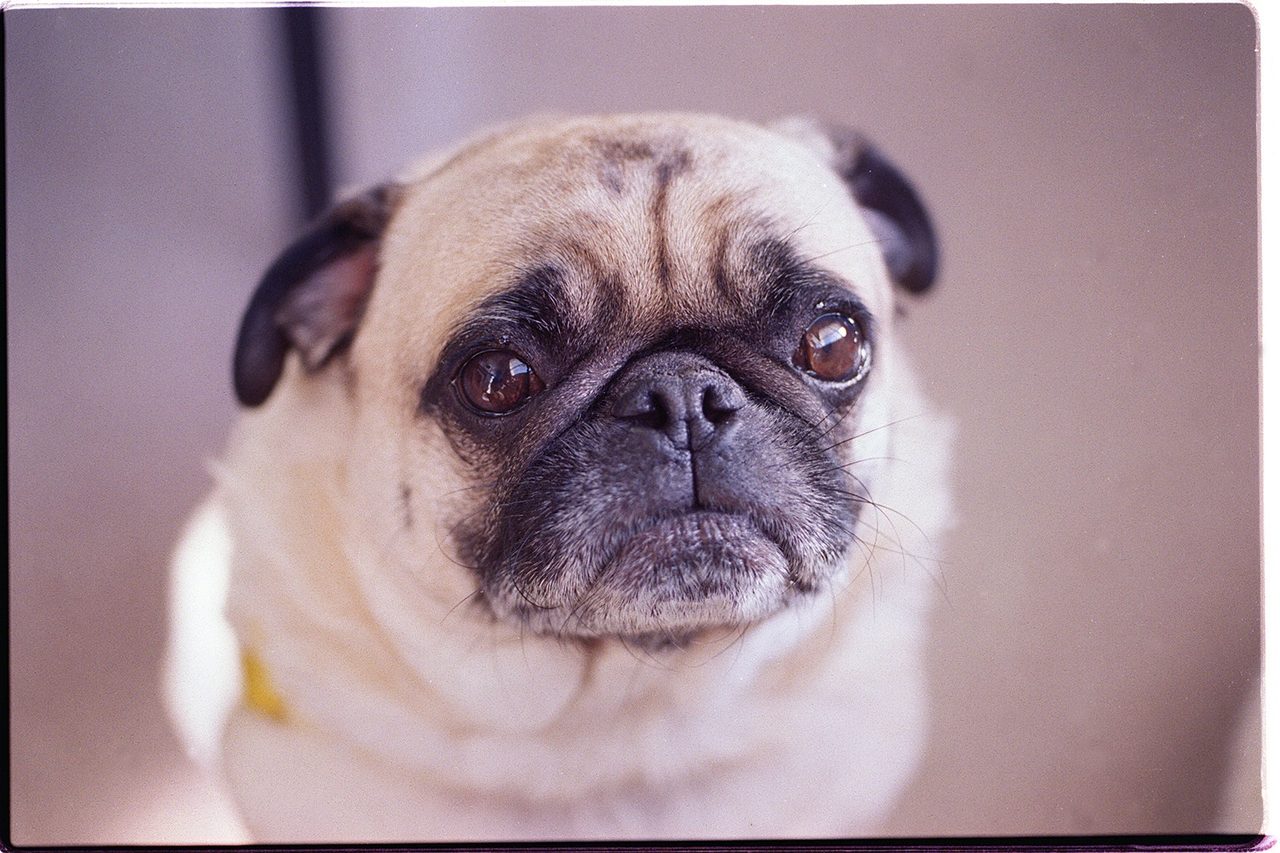
Pug
A charming, sturdy, clownish companion who adores their people and wants to be close to them, at 14 to 18 pounds and 10 to 13 inches in the AKC breed standard. How long a Pug lives depends on how you count it, and this guide keeps the three published methods separate, each with its label: the AKC lists life expectancy at 13 to 15 years, UK VetCompass life tables put life expectancy at birth at 7.7 years, from UK dogs that died between 2016 and 2020, and a large UK study of 584,734 dogs put the median lifespan at 11.6 years. Flat-faced breeds sit at the short end of every measured method, and the spread between those numbers is itself part of the honest picture. This is one of the most health-loaded breeds on this site, and the guide covers what that means for care and insurance, kindly and in full.
Insurance guide →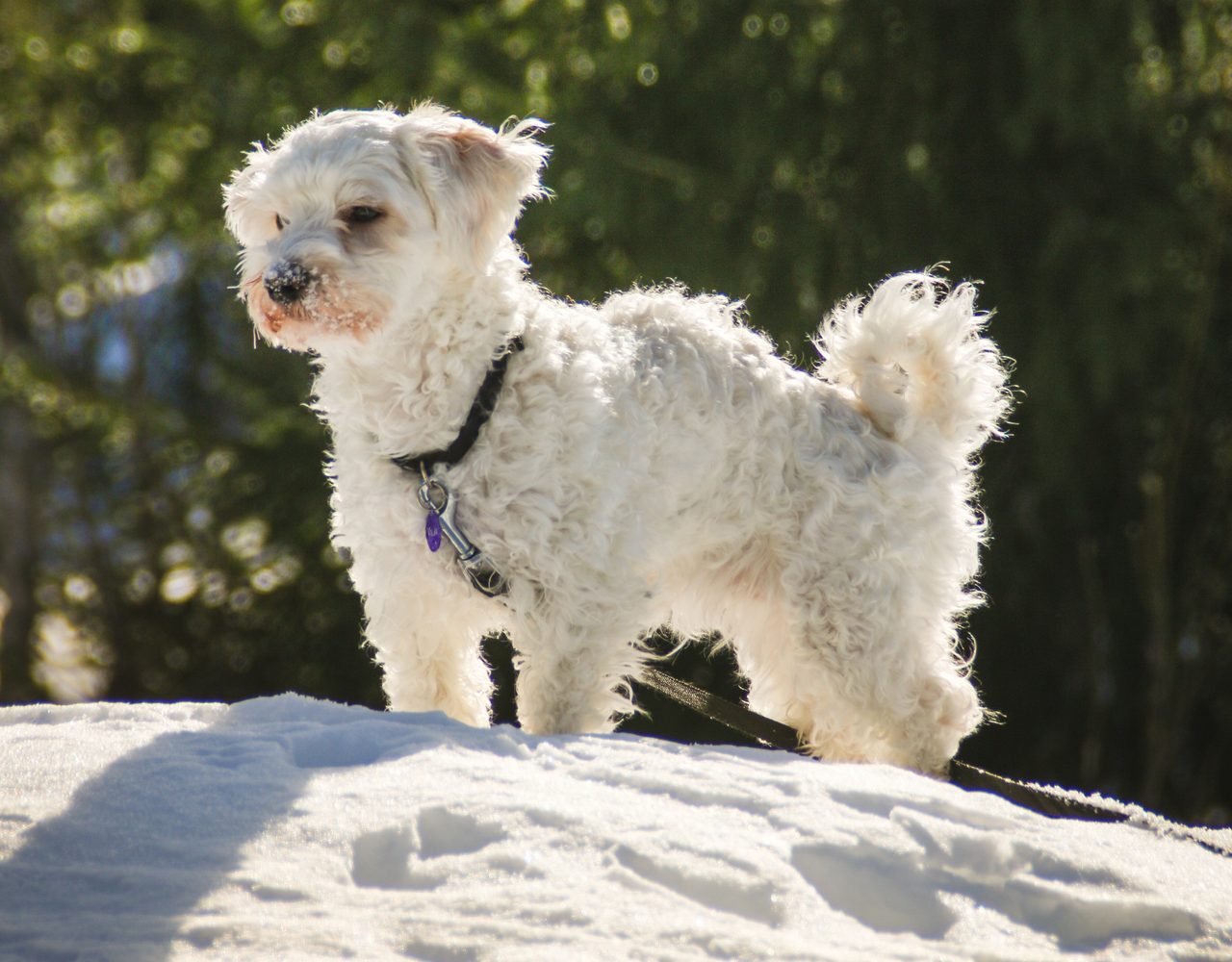
Havanese
A cheerful, sturdy, people devoted companion with a silky coat, and the only breed native to Cuba. The AKC lists life expectancy at 14 to 16 years, and a large UK study of 584,734 dogs put the Havanese median lifespan at 14.5 years, among the highest of the 155 breeds estimated, though that figure rests on only 56 recorded deaths, so treat it as encouraging rather than exact. This is a genuinely healthy breed, and the honest planning story is a short, specific watch list where the costs concentrate: eyes first, knees second, and one rare but expensive liver condition, plus the breeder testing questions that exist for this breed.
Insurance guide →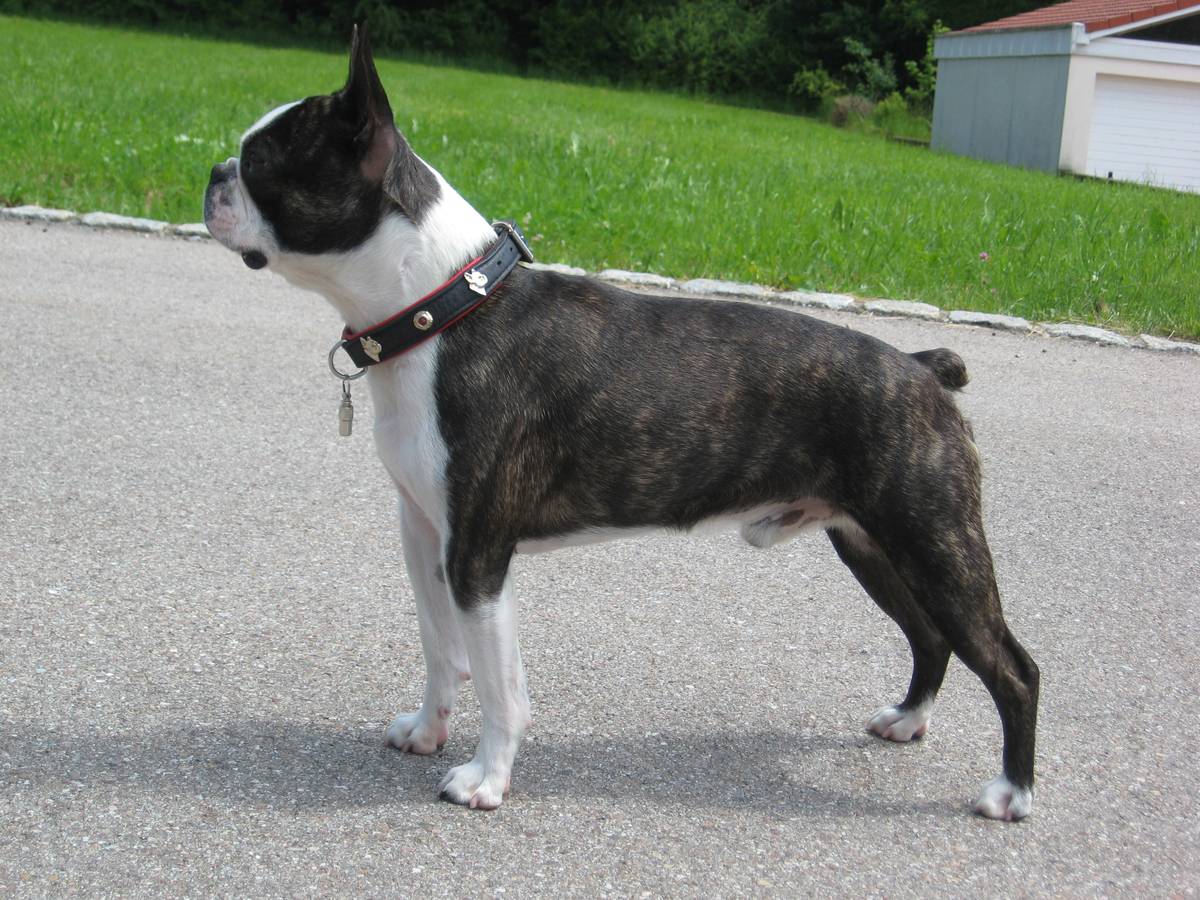
Boston Terrier
The American Gentleman: a compact, tuxedo marked, people devoted companion in the AKC Non-Sporting Group, recognized by the AKC in 1893 and judged in three weight classes, under 15 pounds, 15 to under 20 pounds, and 20 to not more than 25 pounds, with a typical adult range of 12 to 25 pounds. How long a Boston Terrier lives depends on how you count it, and this guide keeps the two published methods separate: the AKC lists life expectancy at 11 to 13 years, and a large UK study of 584,734 dogs put the median lifespan at 11.8 years. This is a flat-faced breed that measured less severely affected by breathing problems than French Bulldogs and Bulldogs in the best grading study of the breed, and the rest of the honest story is eyes, knees, hearing, and the breeder tests that check them.
Insurance guide →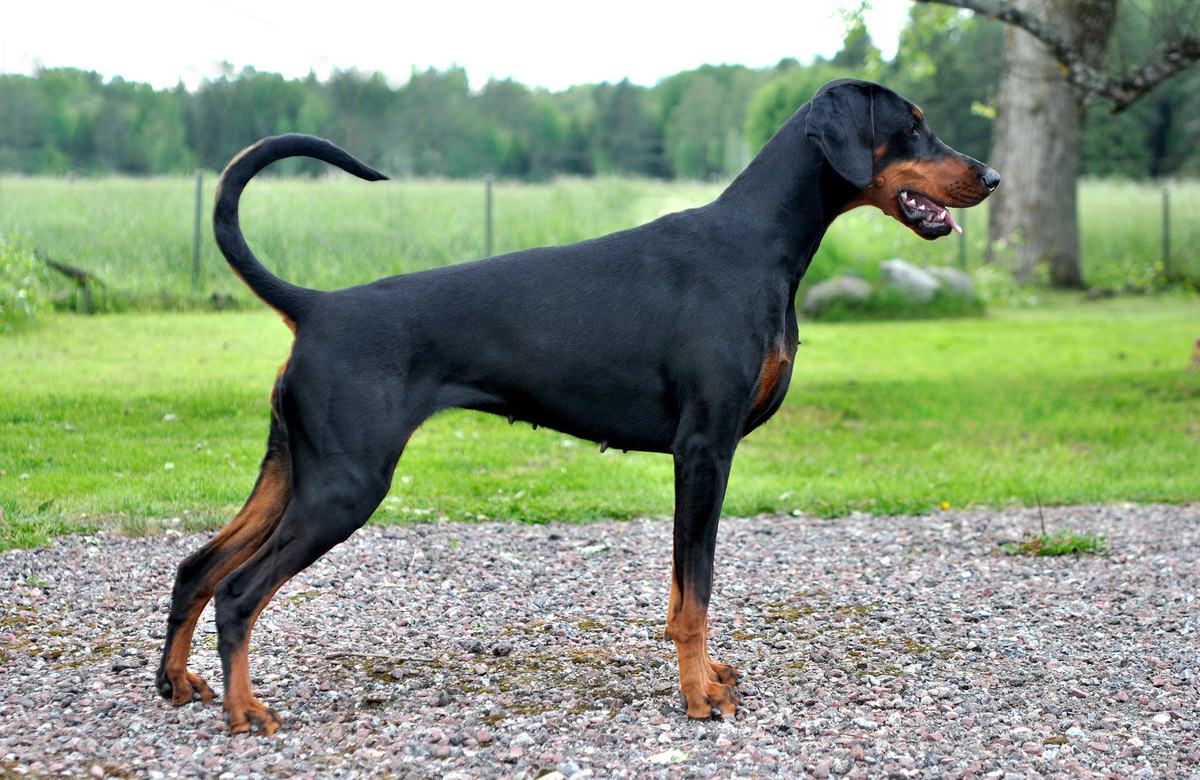
Doberman Pinscher
A sleek, square, deeply loyal guardian in the AKC Working Group, recognized by the AKC in 1908: dogs stand 26 to 28 inches at the withers, ideal about 27.5 inches, and bitches 24 to 26 inches, ideal about 25.5 inches, with the AKC breed profile listing males at 75 to 100 pounds and females at 60 to 90 pounds. How long a Doberman Pinscher lives depends on how you count it, and this guide keeps the two published methods separate, each with its label: the AKC lists life expectancy at 10 to 12 years, and a large UK study put the median lifespan at 11.2 years. The honest heart of this breed's story arrives early: an inherited heart condition, dilated cardiomyopathy, shows up in more than half of carefully screened European Dobermans, and it rewards annual screening and early insurance more than almost any condition on this site. The rest of the story is a bleeding condition that is genetically common but usually mild, a standout thyroid risk, a neck spine condition of middle age, and the breeder tests that check all of them.
Insurance guide →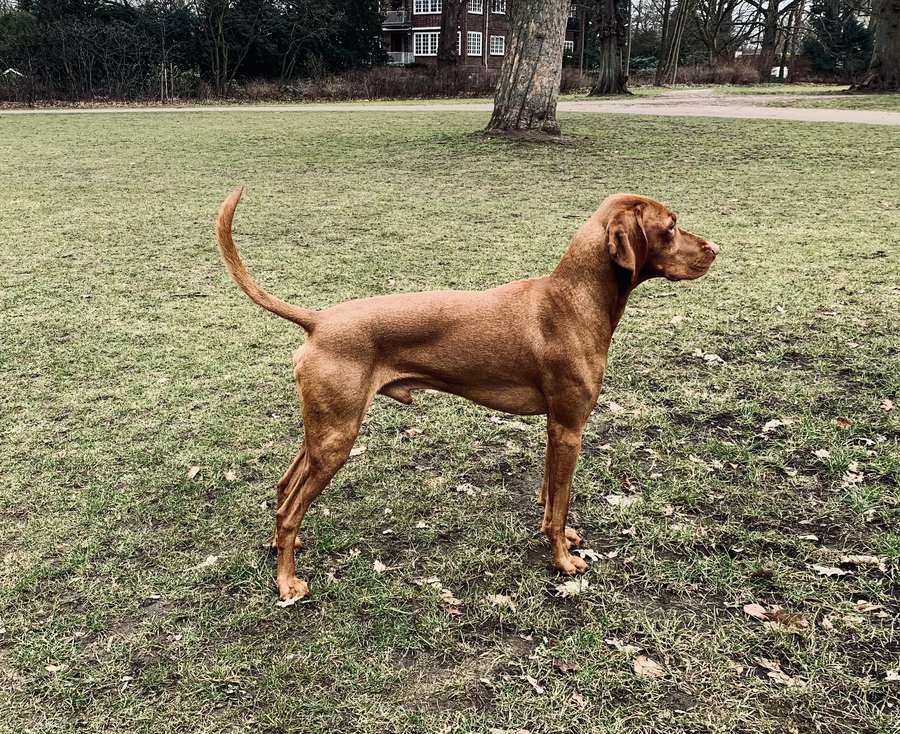
Vizsla
The golden rust Hungarian Pointer: a lean, devoted sporting dog in the AKC Sporting Group, recognized by the AKC in 1960, and so famously attached to its people that owners call the breed the Velcro dog. The AKC puts the breed at 21 to 24 inches and 44 to 60 pounds. How long a Vizsla lives depends on how you count it, and this guide keeps the two published methods separate: the AKC lists life expectancy at 12 to 14 years, and a large UK study of 584,734 dogs put Vizsla life expectancy at 13.5 years. This is a genuinely robust, athletic breed, and its honest planning list is headed by cancer, then an inherited epilepsy with an unusual pattern, a muscle disease almost no other breed gets, an eye drainage risk, and hips, plus the breeder tests that check what can be checked.
Insurance guide →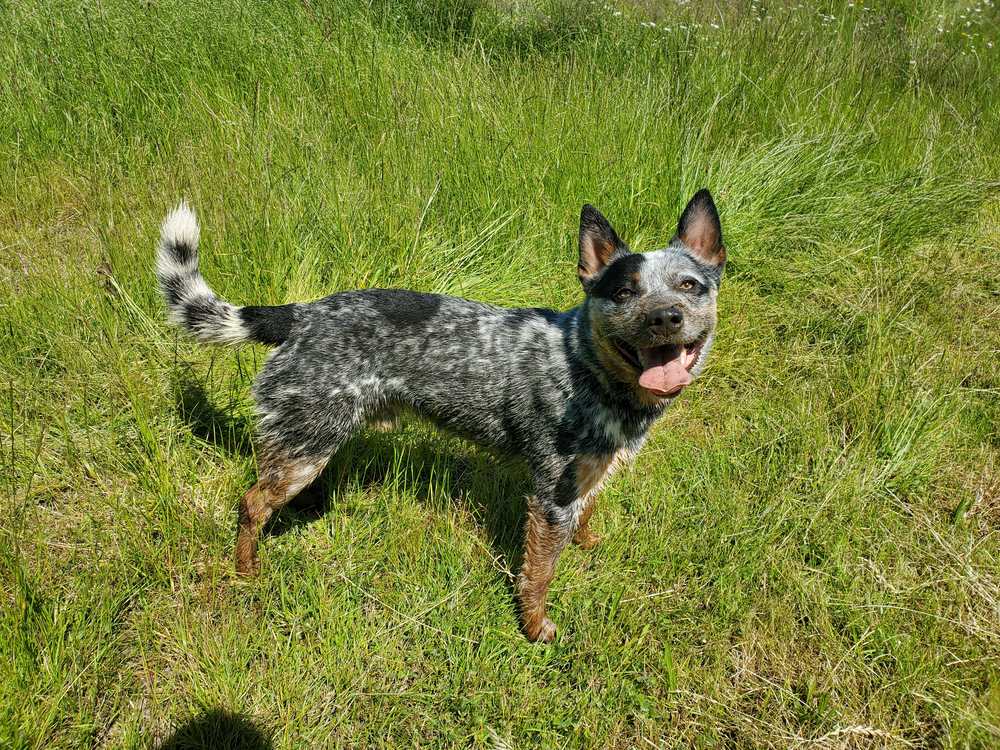
Australian Cattle Dog
Tough, tireless, and famously loyal: a blue or red heeler built in Australia for long days behind cattle, recognized by the AKC in 1980 and a charter member of the Herding Group. Males stand 18 to 20 inches and females 17 to 19 inches, at 35 to 50 pounds (AKC). How long an Australian Cattle Dog lives depends on how you count it, and this guide keeps the two published methods separate: the AKC lists life expectancy at 12 to 16 years, and a large UK study of 584,734 dogs put the breed's median lifespan at 14.0 years, a figure that rests on a small sample of about 50 recorded deaths, so treat it as encouraging rather than exact. This is a genuinely hardy dog, and the honest planning list is shorter than most: hips and elbows that are screened for a reason, a roughly one in nine chance of deafness in one or both ears that only a hearing test can find, and inherited eye diseases with DNA tests. Enrolling before any of it is written down is the whole game.
Insurance guide →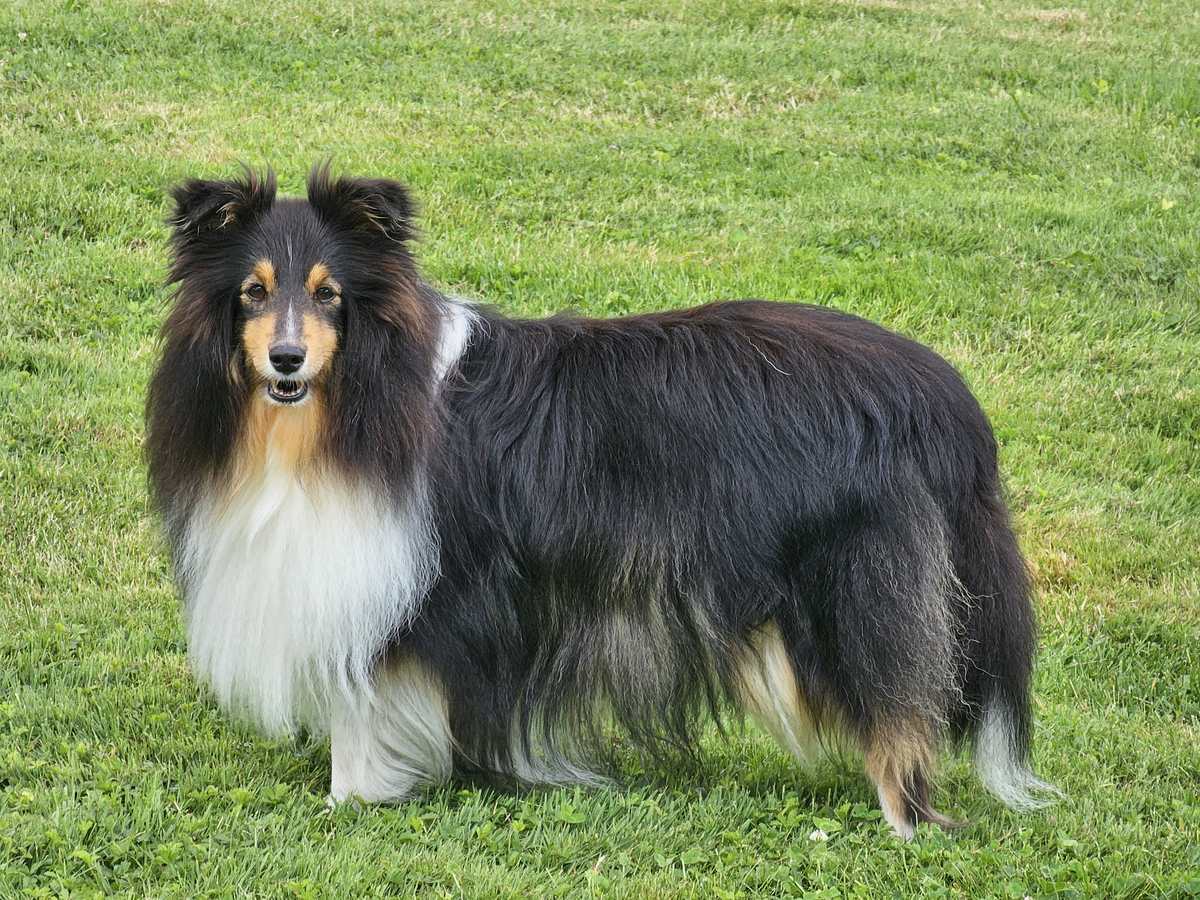
Shetland Sheepdog
The Shetland Sheepdog, the Sheltie, is a small herding dog developed on Scotland's Shetland Islands, where farmers needed a hardy, clever dog in a compact size. The American Kennel Club places it in the Herding Group, recognized in 1911, standing 13 to 16 inches and weighing 15 to 25 pounds. It is a distinct breed in its own right, not a scaled-down anything. The AKC gives a lifespan of 12 to 14 years, and a 2024 UK study of 584,734 dogs put the breed's median lifespan at 13.4 years, among the longest of the 155 breeds measured. The Sheltie is, at heart, a healthy little dog. Its real planning list is short and unusually knowable: a drug-sensitivity gene, two inherited eye conditions, a bleeding disorder, and a gallbladder risk that arrives in the senior years. Most of it can be read from a DNA panel before a puppy ever comes home, which makes the breeder conversation for this breed one of the most useful you can have before you choose a puppy.
Insurance guide →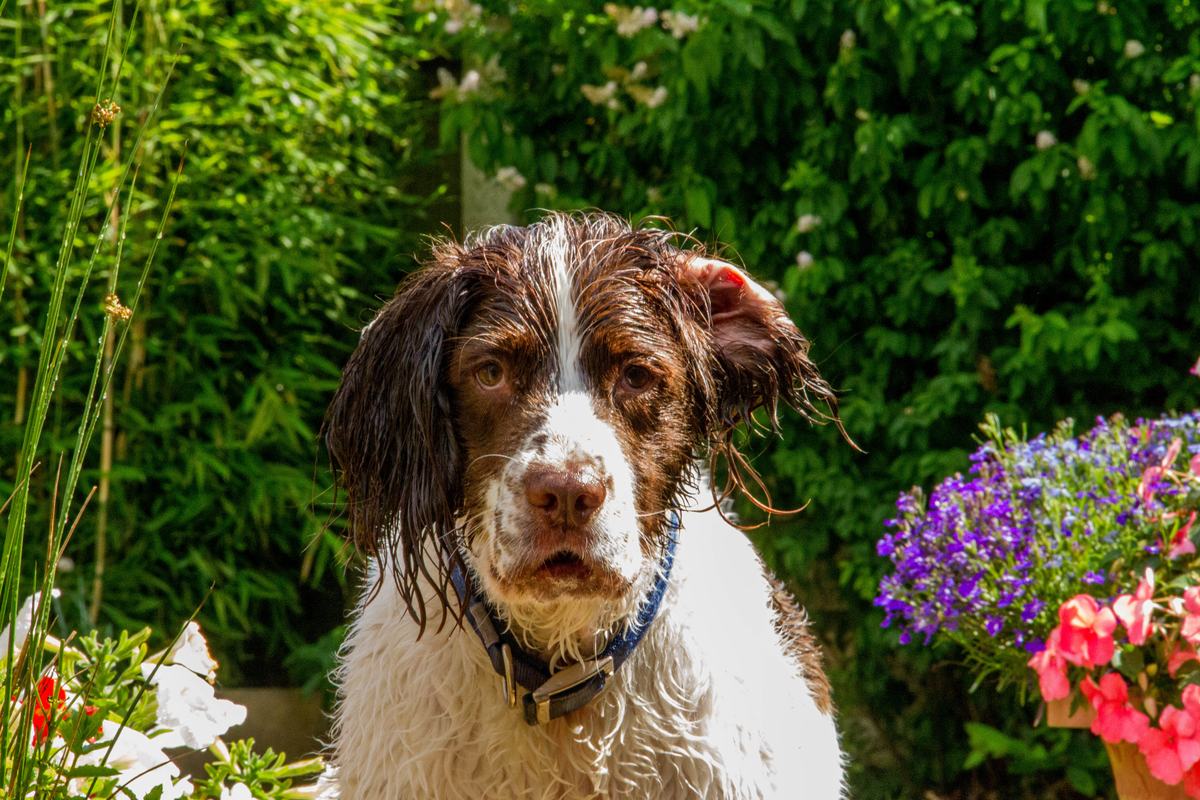
English Springer Spaniel
The English Springer Spaniel is a friendly, eager, tireless Sporting dog from England, recognized by the Kennel Club there in 1902 and by the American Kennel Club in 1910. The AKC standard puts the breed at 19 to 20 inches and 40 to 50 pounds, with dogs at about 20 inches and 50 pounds and bitches at about 19 inches and 40 pounds. Springers come in two real forms, field-bred and show-bred, two gene pools the sources describe as almost completely separate for at least 70 years, and a family should know which one is coming home. How long a Springer lives depends on how you count it, and this guide keeps the published methods separate: the AKC lists life expectancy at 12 to 14 years, a UK life-table study put life expectancy at birth at 11.9 years, and a 2024 UK study of over half a million dogs found a median lifespan of 13.5 years. This is, at heart, a healthy, happy breed. Its real planning list is ears first, then two screened joints, a set of DNA-tested conditions a good breeder checks for, and a liver risk most owners have never heard of, and every one of those rewards planning early, while your Springer is still a puppy at home.
Insurance guide →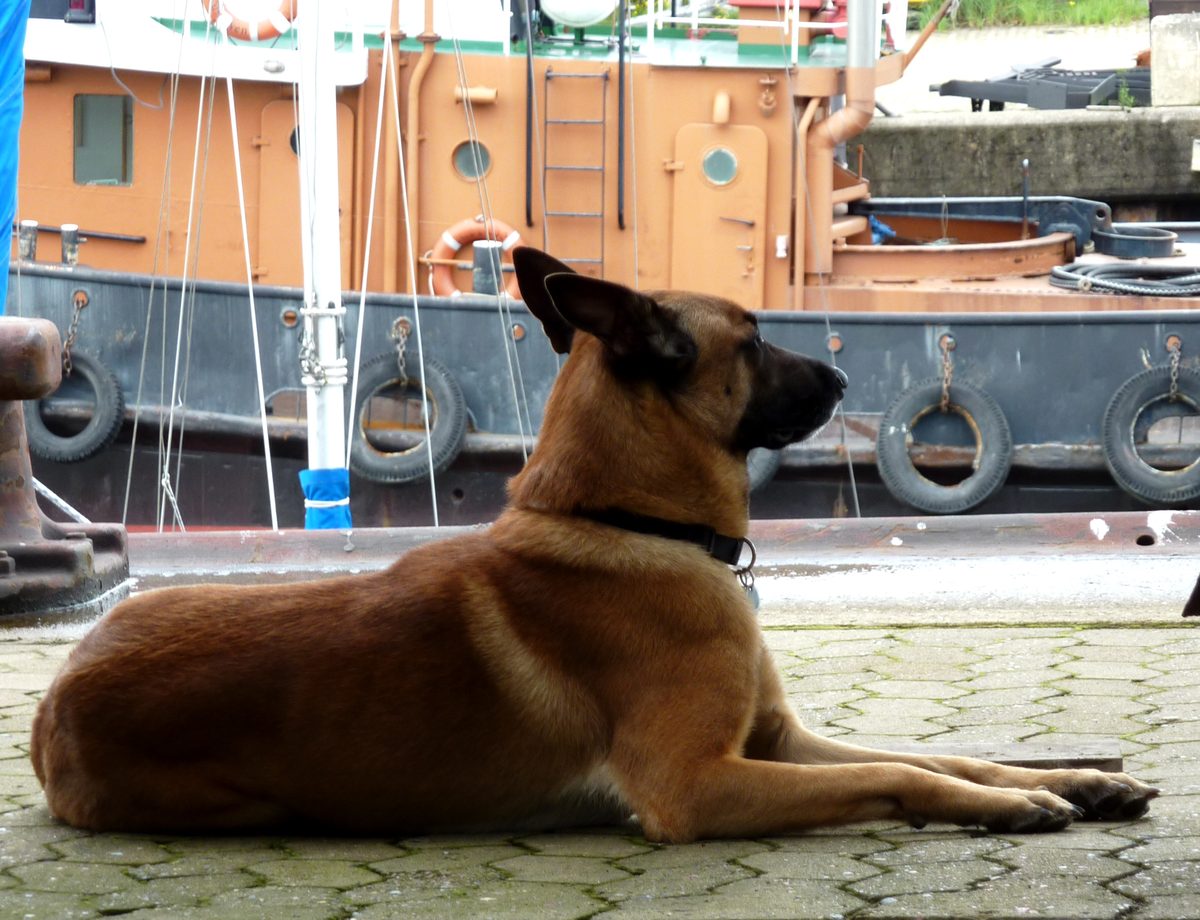
Belgian Malinois
The Belgian Malinois is the brilliant, driven herder of police and military K-9 fame: a world-class worker from Belgium in the AKC Herding Group, recognized by the AKC as a separate breed in 1959 and first imported to the US in 1911. The AKC puts the breed at 24 to 26 inches and 60 to 80 pounds for males, and 22 to 24 inches and 40 to 60 pounds for females. How long a Malinois lives depends on how you count it, and this guide keeps the two published methods separate: the AKC lists life expectancy at 14 to 16 years, and a 2024 UK study of 584,734 dogs put the breed's median lifespan at 12.0 years. This is a genuinely hardy, long-lived athlete, and its honest planning list is eyes first, then elbows, hips that screen better than most large breeds, a family-history conversation about seizures, and two DNA-tested puppy conditions a good breeder settles before a puppy comes home. Loving this breed well also means keeping up with it, and that is part of the planning too.
Insurance guide →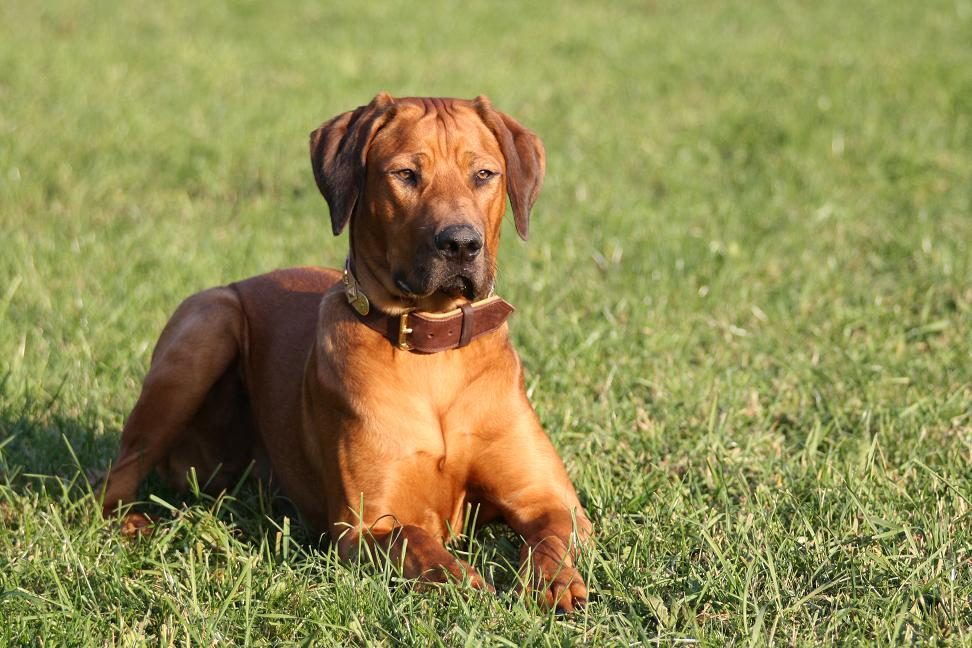
Rhodesian Ridgeback
The Rhodesian Ridgeback is the dignified, strong-willed hound of southern Africa, famous for the strip of hair along its back that grows in the opposite direction. The original breed standard was drafted in Bulawayo, in what is now Zimbabwe, in 1922, and the AKC recognized the breed in its Hound Group in 1955. The AKC standard puts males at 25 to 27 inches and about 85 pounds, and females at 24 to 26 inches and about 70 pounds. How long a Ridgeback lives depends on how you count it, and this guide keeps the two published methods separate: the AKC lists life expectancy at 10 to 12 years, and a UK Kennel Club survey found a median age at death of 11 years among Ridgebacks whose deaths were reported. This is a genuinely hardy large breed, and its honest planning list is short: a breeder's dermoid sinus check on every puppy, a thyroid panel, screened joints that are genuinely good, DNA tests a breeder can settle early, and one deep-chested emergency every owner should be ready for without warning, on any ordinary night.
Insurance guide →
Bichon Frise
The Bichon Frise is the merry, people-loving little companion of the AKC Non-Sporting Group, a small white dog with a loosely curled double coat, recognized by the AKC in 1973. The AKC lists the breed at 9.5 to 11.5 inches and 12 to 18 pounds. How long a Bichon lives depends on how you count it, and this guide keeps the published methods separate: the AKC lists life expectancy at 14 to 15 years, while UK studies that measured actual deaths found medians just under 13 years, in small samples. Either way this is a long-lived breed, and its honest planning story is years of recurring care rather than one dramatic risk: teeth, skin, and bladder stones do most of the real work, with knees, a senior hormone condition, and eyes on the watch list for the families who love them.
Insurance guide →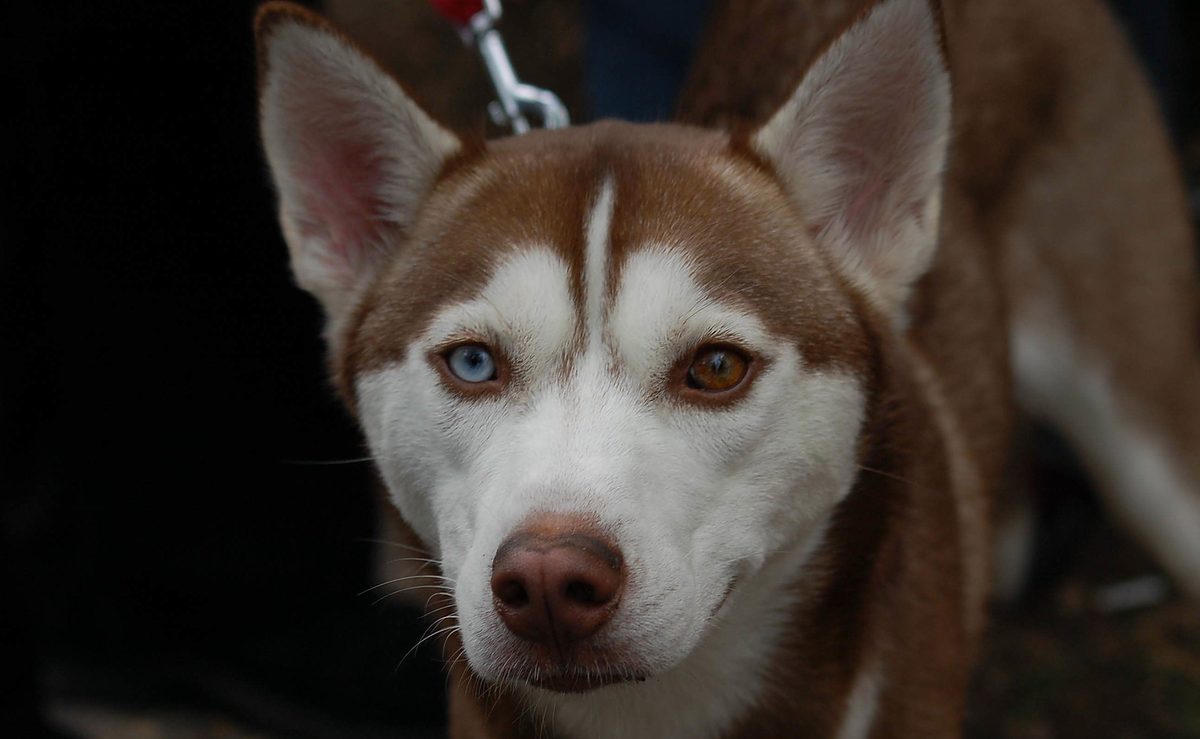
Siberian Husky
The Siberian Husky is the joyful, high-energy sled dog of the AKC Working Group, a medium-sized breed with a thick double coat, recognized by the AKC in 1930. The AKC standard puts males at 21 to 23.5 inches and 45 to 60 pounds, and females at 20 to 22 inches and 35 to 50 pounds. How long a Husky lives depends on how you count it, and this guide keeps the published methods separate: the AKC lists life expectancy at 12 to 14 years, while UK studies that measured actual deaths found 9.5 years on a deaths-only life-table method and a median of 11.9 years in the largest UK dataset. This is a genuinely hardy, long-lived working breed, and its honest planning story starts with the eyes: three inherited eye diseases that can begin young, a lifelong skin condition with no test and no published percent, a thyroid watch, and hips that are a rare bright spot for a dog of this size.
Insurance guide →
Cane Corso
The Cane Corso is the loyal Italian guardian of the AKC Working Group, a large mastiff bred to protect property, family, and livestock, recognized by the AKC in 2010. The AKC standard gives height and proportion rather than weight: males stand 25 to 27.5 inches and females 23.5 to 26 inches, with weight proportionate to height, and general breed profiles commonly describe adults at about 88 to 110 pounds. How long a Cane Corso lives depends on how you count it, and this guide keeps the published methods separate: the AKC lists life expectancy at 9 to 12 years, while the largest UK longevity study measured a median of 8.1 years. Everything about this devoted breed is big, including the bills, and the years are fewer than families expect. The honest planning story starts early: joints carrying 100 pounds or more, a bloat emergency that deep-chested breeds carry, eyelids that often need a surgeon, and a six-test breeder screening set that is the best early protection a Corso puppy can get before the first health note ever reaches its record and follows it for life.
Insurance guide →
Dalmatian
The Dalmatian is the spotted coach dog of the AKC Non-Sporting Group, a medium-to-large athletic breed recognized by the AKC in 1888. The AKC lists the breed at 19 to 24 inches and 45 to 70 pounds, with the breed standard calling 19 to 23 inches the desirable size and a dog over 24 inches disqualified in the show ring. How long a Dalmatian lives depends on how you count it, and this guide keeps the published methods separate: the AKC lists life expectancy at 11 to 13 years, while the largest UK longevity study measured a median lifespan of 13.2 years. This is a sturdy, long-lived athlete, and its honest planning story is written early: one inherited trait shapes the bladder for life, and a hearing test at a few weeks old tells the other fact that matters, long before a puppy comes home.
Insurance guide →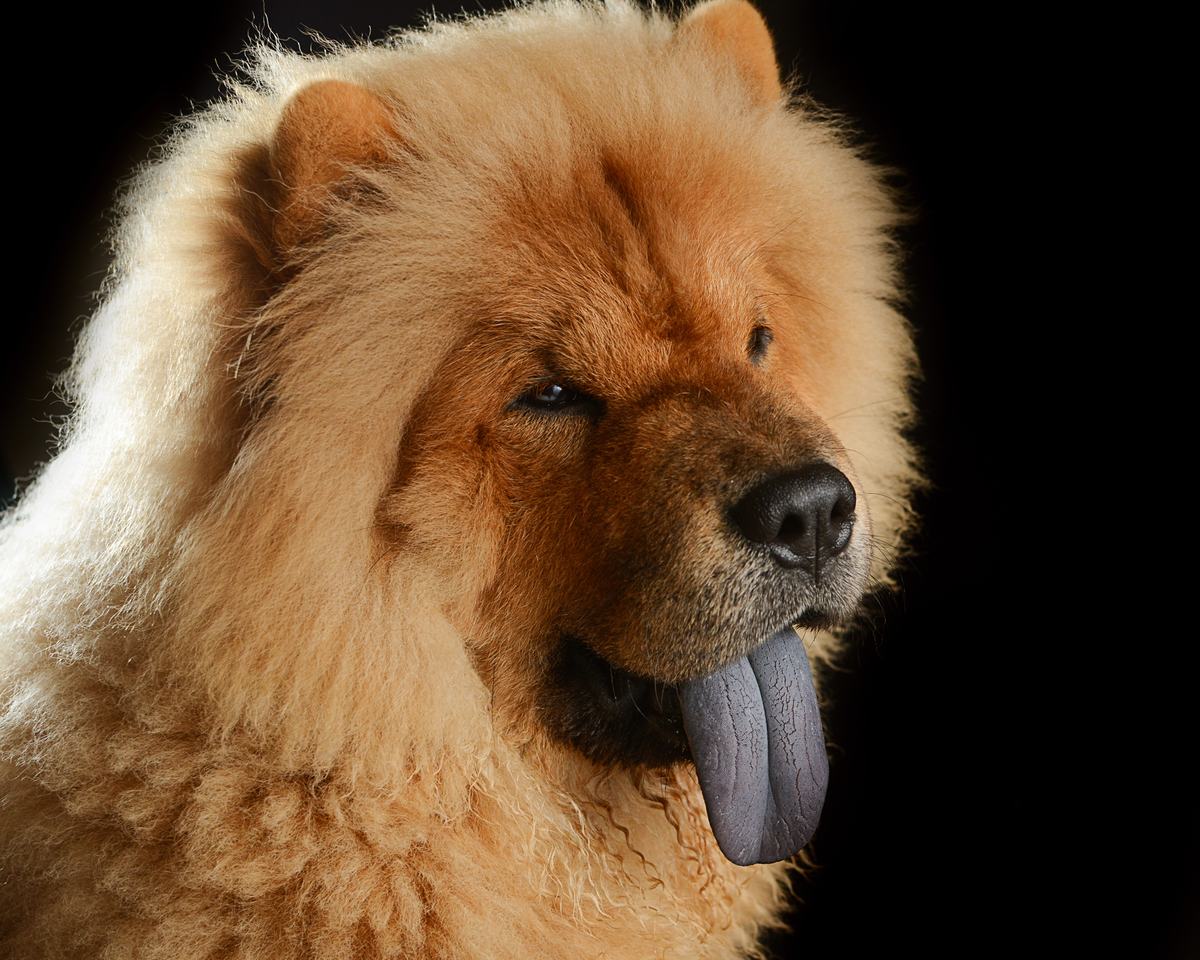
Chow Chow
The Chow Chow is the dignified, lion-maned dog of the AKC Non-Sporting Group, an ancient Chinese breed with a blue-black tongue, recognized by the AKC in 1903. The AKC lists the breed at 17 to 20 inches and 45 to 70 pounds. How long a Chow Chow lives depends on how you count it, and this guide keeps the published methods separate: the AKC lists life expectancy at 8 to 12 years, while UK records for 940 Chow Chows measured a median lifespan of 12.1 years, at the very top of that range. This is a loyal, independent dog whose beautiful build carries its planning story in plain sight: eyes and elbows shaped by that build carry measured risks among the highest of any breed, and the heavy coat makes heat a daily care duty in warm weather.
Insurance guide →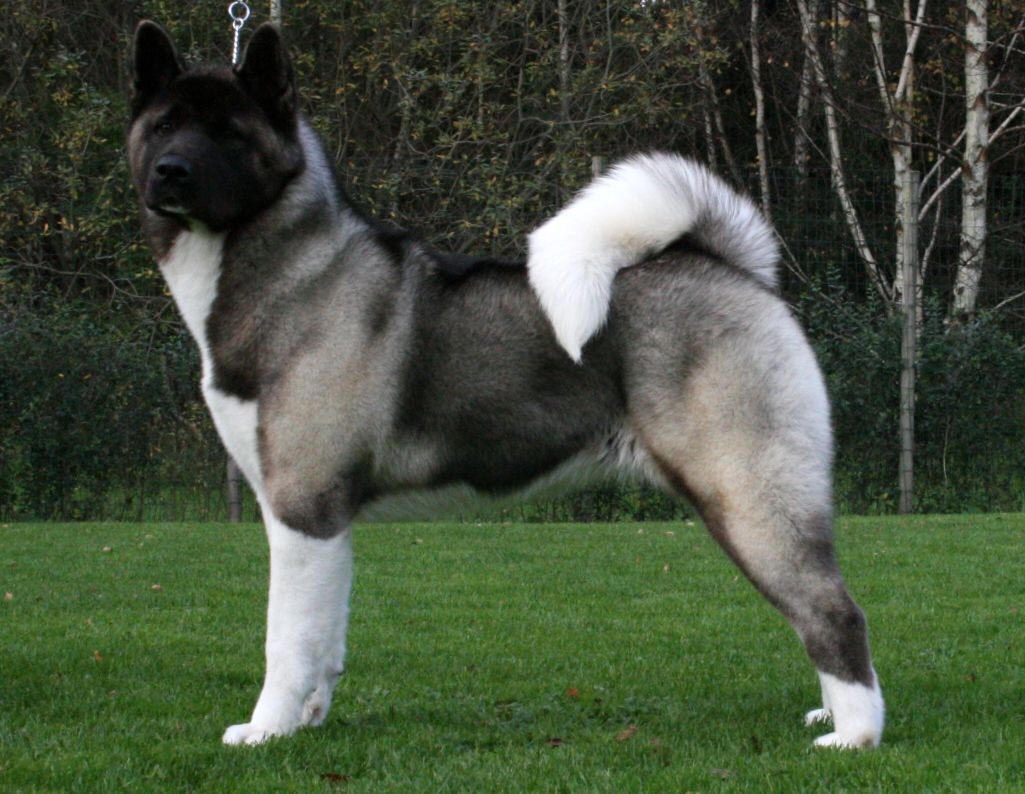
Akita
The Akita is the large, dignified guardian of the AKC Working Group, a powerful dog of much substance and heavy bone from Akita Prefecture in northern Japan, recognized by the AKC in 1972. The AKC lists males at 26 to 28 inches and 100 to 130 pounds, and females at 24 to 26 inches and 70 to 100 pounds. How long an Akita lives depends on how you count it, and this guide keeps the published methods separate: the AKC lists life expectancy at 10 to 14 years, while UK records measured a median lifespan of 11.4 years for Akitas, with the Japanese and American types pooled. This is a devoted, quietly courageous breed whose love is repaid with vigilance, because the conditions most likely to shape its care are slow, lifelong, immune-mediated ones that reward a family who enrolls early and watches closely, sitting alongside a screened hip concern, an inherited eye disease with no treatment, and a genuine bloat emergency risk in a deep-chested large dog.
Insurance guide →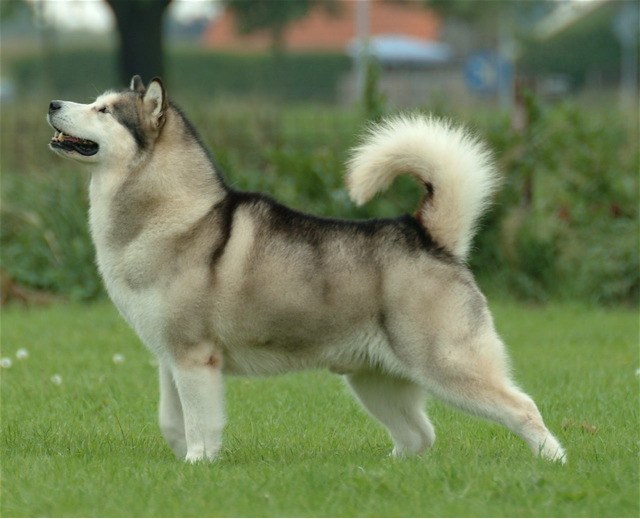
Alaskan Malamute
The Alaskan Malamute is the powerful Arctic freight dog of the AKC Working Group, a heavily boned sled dog bred to haul heavy loads at a steady pace, named for the Mahlemiut people of northwestern Alaska and recognized by the AKC in 1935. The AKC standard gives desirable sizes of 25 inches and 85 pounds for males, and 23 inches and 75 pounds for females, and those figures are ideals, not a tight range every Malamute fits, because the standard itself notes a natural range in size. How long a Malamute lives depends on how you count it, and this guide keeps the published methods separate: the AKC lists life expectancy at 10 to 14 years, while UK records measured a median lifespan of 11.3 years across 1,980 Malamutes in the study population. This is a loyal, dignified dog whose strength is the thing families love most, and that strength rides on hips that deserve screening respect, on two inherited conditions that thoughtful breeding can now test for or track before a puppy is born, and on eyes and a thyroid that reward a family who watches closely and enrolls early.
Insurance guide →Why breed matters for pet insurance
- Pricing: high-risk breeds can cost 50-100% more to insure than low-risk ones.
- Exclusions: breed-predisposed conditions diagnosed before enrollment become pre-existing exclusions.
- Limits: breeds prone to $10,000+ surgeries need higher annual limits.
- Timing: enrolling as a puppy, before anything is diagnosed, is the single highest-value move.
Don't see your breed? How pet insurance works covers the universal rules, and our cost estimator works for any dog. Our lifetime cost projector shows what one signature emergency can cost with and without coverage.
Frequently asked questions
Why does my dog's breed change the price of insurance?
Insurers price by breed because breeds get sick differently. A French Bulldog's breathing surgery and a Dachshund's back surgery are different risks with different price tags, so high-risk breeds can cost 50-100% more to insure than low-risk ones.
How much does dog insurance cost on average?
The national average is $62.44/month for dogs (NAPHIA 2024 data). Your dog's breed, age, and zip code, plus the deductible and reimbursement level you choose, move that figure up or down. Each breed guide above shows the range to expect for that breed.
Does pet insurance cover the conditions my breed is prone to?
Yes, as long as the condition has not been diagnosed or shown symptoms before enrollment. Anything already on your dog's record counts as pre-existing and is excluded, though curable conditions can become eligible again after a symptom-free period, commonly 180 days to 12 months, depending on the insurer.
When should I insure my dog?
As early as possible, ideally as a puppy. Enrolling before anything is diagnosed keeps your dog's breed-predisposed conditions covered, and premiums are lowest for young dogs.