Last updated: November 2026
Pet insurance for Bichon Frises
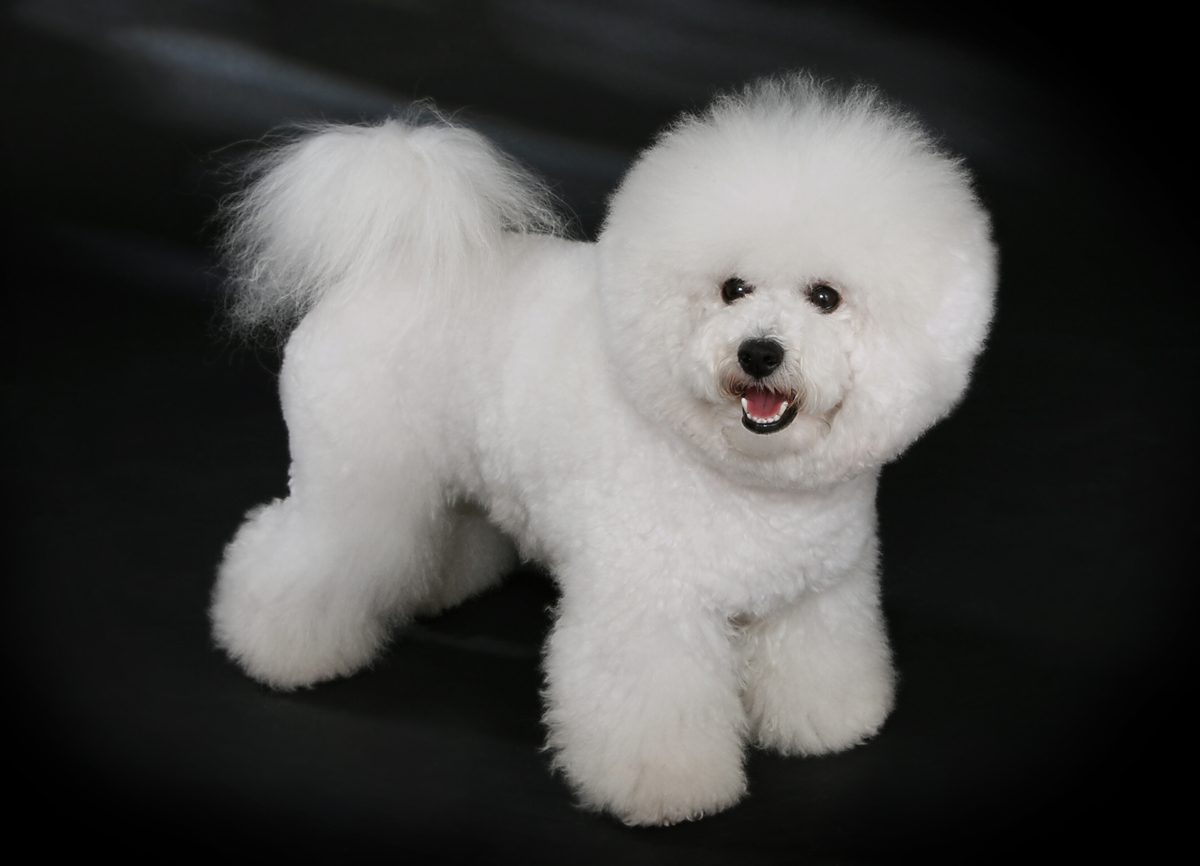
The Bichon Frise is the merry, people-loving little companion of the AKC Non-Sporting Group, a small white dog with a loosely curled double coat, recognized by the AKC in 1973. The AKC lists the breed at 9.5 to 11.5 inches and 12 to 18 pounds. How long a Bichon lives depends on how you count it, and this guide keeps the published methods separate: the AKC lists life expectancy at 14 to 15 years, while UK studies that measured actual deaths found medians just under 13 years, in small samples. Either way this is a long-lived breed, and its honest planning story is years of recurring care rather than one dramatic risk: teeth, skin, and bladder stones do most of the real work, with knees, a senior hormone condition, and eyes on the watch list for the families who love them.
Enroll as a puppy, before the first dental, skin, or stone note exists. In a breed this long-lived, an early exclusion can follow a dog for more than a decade.
Cost figures are typical ranges, not quotes or guarantees. Your premium depends on your bichon's age, your zip code, and the deductible and reimbursement level you choose.
Common health issues in Bichon Frises
Dental and periodontal disease
Risk level: Common / expensive
Teeth are the everyday headline in this breed. In a study of more than 3 million US dog records from Banfield Pet Hospital covering 60 breeds (Wallis et al. 2021, The Veterinary Journal), periodontal disease was diagnosed in 27.9% of Bichon Frises, and extra-small breeds were up to 5 times more likely to be diagnosed than giant breeds. The Bichon Frise Club of America health survey summary ranks dental disease, described as gingivitis and early tooth loss, fourth among the breed's primary health problems, behind only skin and allergy, bladder problems, and orthopedic problems. The care story is unglamorous and effective: regular brushing, dental checks at every visit, and a planned professional cleaning when your vet advises one, across a long life of small mouths and crowded teeth.
Bladder stones
Risk level: Common / expensive
Stones are this breed's defining internal risk, and two different measures describe it, kept strictly apart on this page. First, the risk against other dogs: in the Minnesota Urolith Center analysis of US cases from 2010 to 2015, Bichons were among the highest-risk breeds for calcium oxalate stones, with odds of 12.0 against a general breed-survey comparison population, and a first calcium oxalate episode came at around age 9 on average. Second, what removed stones were made of: of the uroliths submitted from Bichons in 1998, 51% were struvite and 37% were calcium oxalate - those are shares of stones submitted from Bichons, never shares of all Bichons. The breed club survey ranks bladder infections and stones second among the breed's primary problems, which fits the same story. The distinction decides the bill: struvite stones in dogs are typically infection-driven and can often be dissolved with diet and antibiotics, while calcium oxalate stones cannot be dissolved and need physical removal. Published guides put a planned bladder stone surgery (cystotomy) at about $1,500 to $3,500, printed here as a guide range, not clinical data. Recurrence is common enough that diet and monitoring after a first stone become part of loving this breed well.
Skin allergies and atopy
Risk level: Common
Skin comes first in the breed club's own accounting: the Bichon Frise Club of America health survey summary ranks skin and allergy and atopy problems first among the breed's primary health problems, and notes that of the conditions it lists, only allergy is commonly found in Bichons, with most allergic dogs treatable successfully. Responsible breeders screen and select with allergies in mind, and breed summaries name allergies first among the health checks a buyer should ask about. No allergy prevalence percent was verified for this page, so none is printed. The lived version is years of itch management for the unlucky minority: vet visits, medication, and patient food or environmental detective work. That is a recurring-cost story, not a one-bill story, and it is why a policy that keeps covering a chronic skin condition year after year matters so much in this breed.
Patellar luxation (slipping kneecaps)
Risk level: Common
Knees deserve a watch in a small, long-lived dog, and two labeled populations describe the risk without merging. In UK primary-care records (VetCompass, O'Neill et al. 2016), Bichons had about 2.9 times the odds of patellar luxation of crossbred dogs. In a separate Swedish Kennel Club screening study of records from 1997 to 2014, about 12% of 1,071 screened Bichons, roughly 1 in 8, were recorded with patellar luxation - that is a screened population, printed with its label. Mild cases are often monitored, with weight control and regular checks, while severe cases need surgery. Ask your breeder for both parents' patella results, because this is one of the three evaluations the breed's health testing program asks for, and a slipping kneecap noted before enrollment can follow a dog for life.
Cushing's disease and eyes: the senior and puppy watch
Risk level: Less common
Two quieter watches round out the list. Cushing's disease, an overproduction of cortisol, is mainly a disease of older dogs: in UK primary-care records (VetCompass, O'Neill et al. 2016), Bichons had about 6.5 times the odds of crossbreds, the highest breed odds in that study, against a recorded rate of about 1 in 360 dogs overall. The signs are drinking and urinating more, a pot belly, and a thinning coat, and the care shape is blood tests to confirm, then daily medication and monitoring for life. Eyes ask for attention much earlier: the breed club survey ranks eye diseases fifth among the breed's primary problems, naming cataracts, glaucoma, and dry eye, and the breed predispositions literature describes Bichon cataracts as a posterior subcapsular cataract with suspected inheritance and an age of onset from about 6 months to 3 years, unusually young, which is why a puppy eye history matters. No cataract prevalence percent was verified, so none is printed. If cataracts badly cloud vision, published guides put cataract surgery at roughly $2,700 to $4,500 per eye, printed here as a guide range only.
What does pet insurance cost for a Bichon Frise?
Start from the $62.44/month national dog average (NAPHIA, 2024 data) as an estimate only; there is no trustworthy Bichon Frise specific price to quote here. The honest cost shape of this breed is a small, long-lived dog whose value concentrates in years of recurring care - teeth, skin, and ears - and in two lumpier risks, a bladder stone removal or a knee or eye surgery, spread across more premium-paying years than most breeds get. A Bichon who lives into the mid teens on the AKC range brings more senior care years than a shorter-lived breed, and the UK measured medians just under 13 years are a reminder to plan for the whole span, not the hopeful end of it. Asking for both parents' hip, patella, and eye results, and checking the actual results, is the single most useful buyer action this page can teach, because a CHIC number means the tests were done, not that the dog passed.
For context, the national average premium for dogs is roughly $62/month - but breed, age, and location move that number a lot. Estimate your premium with our cost calculator, or see the bigger picture in our lifetime cost projector, which compares a common emergency bill with and without coverage.
Dental care is a recurring cost for this breed, so it helps to know the numbers early. Our dog teeth cleaning cost guide breaks down the typical $300 to $700 cost of a routine cleaning and what can push a bill higher.
Breeder testing for this small breed asks for exactly three evaluations, and one of them surprises people. The recommended health tests for the Bichon Frise are a Hip Evaluation, a Patella Evaluation, and an Ophthalmologist Evaluation. A hip evaluation is required even in a small breed because Legg-Calve-Perthes disease, a hip-joint disease of young small dogs, is part of this breed family's orthopedic story, alongside the slipping kneecaps and disc problems the breed club survey names. A CHIC number means those tests were done and the results are public, not that the dog passed, so read the actual results on both parents.
The coat deserves the same honest telling. A Bichon sheds very little, and that low shedding is real - but it is not a promise that the breed cannot trigger allergies. A 2012 study in the Journal of Allergy and Clinical Immunology (Vredegoor et al.) found no evidence to class any dog breed as hypoallergenic, so a Bichon may suit some allergy-sensitive homes better than a heavy shedder, and no reader should be promised more than that. The white double coat grows continuously and mats painfully if it is not brushed at home and professionally groomed on a regular schedule, so grooming is a real, recurring part of this breed's lifetime care, not an optional extra.
Small white companions keep each other's company on this site, and each keeps its own figures. Our Havanese insurance guide covers the Bichon's closest fellow member of the bichon family, a cheerful Cuban companion whose eye and knee story is told with its own numbers. Our Shih Tzu insurance guide covers another small, long-lived companion whose care is mostly recurring. And our Miniature Schnauzer insurance guide covers a fellow stone-forming breed, with its stone figures kept strictly separate from the ones above.
Another stone-forming breed joins this one here. Our Dalmatian insurance guide covers the spotted coach dog whose bladder story starts with a gene every traditional Dalmatian carries, told with its own figures kept separate from the ones above.
Another Non-Sporting breed joins this one here. Our Chow Chow insurance guide covers the lion-maned ancient breed whose eye and elbow planning is told with its own figures, kept separate from the ones above.
What to look for in a policy for a Bichon Frise
- Enroll as a puppy, before the first dental, skin, or stone note exists. In a breed this long-lived, an early exclusion can follow a dog for more than a decade.
- Check whether dental illness, not just dental injury, is covered, because teeth are this breed's most common everyday problem.
- Confirm that hereditary and recurring conditions are covered across policy years, because Bichon care repeats: skin, teeth, and stones rarely visit just once.
- Ask the breeder for both parents' hip, patella, and eye results, and check the actual results, because a CHIC number alone is not a pass.
- Keep the deductible at a level you can pay on a hard day without hesitation - the policy only protects your dog if you can afford to use it.
Compare insurers for your bichon
Typical plan options from major insurers:
| Insurer | Reimbursement | Annual limit | Waiting periods | Standout feature | Quote |
|---|---|---|---|---|---|
| Spot | 70%, 80% or 90% | $2,500 - unlimited | 14 days (accident & illness) | Preventive-care add-on available. | Get a quote |
| Trupanion | 90% | Unlimited payouts (no annual cap) | 5 days (injury) / 30 days (illness) | Per-condition lifetime deductible; direct vet payment option. | Get a quote |
| Embrace | 70%, 80% or 90% | $5,000 - $30,000 | No wait (accident) / 14 days (illness) / 6 mo (orthopedic, varies by state) | Deductible shrinks $50 each claim-free year. | Get a quote |
| Pets Best | 70%, 80% or 90% | $5,000 or unlimited | 3 days (accident) / 14 days (illness) / 6 mo (cruciate) | Wellness add-on; short accident waiting period. | Get a quote |
| Lemonade | 70%, 80% or 90% | $5,000 - $100,000 | No wait (accident, most states) / 14 days (illness) / 30 days (orthopedic) / 6 mo (cruciate) | Preventive packages; not offered in every state. | Get a quote |
| ASPCA Pet Health Insurance | 70%, 80% or 90% | Multiple annual-limit options | 14 days (accident & illness) | Preventive-care add-on available. | Get a quote |
| Figo | 70%, 80%, 90% or 100% | Up to unlimited annual max | 1 day (accident) / 14 days (illness) / 6 mo (orthopedic) | One of the few with a 100% reimbursement option. | Get a quote |
| Fetch | 70%, 80% or 90% | $5,000 - unlimited | No wait (accident) / 15 days (illness) / 6 mo (orthopedic) | Covers sick-visit exam fees. | Get a quote |
Plan options shown are typical ranges widely published by each insurer; details change and vary by state. Always confirm current terms on the insurer's website before enrolling. Quote buttons link directly to each insurer's website. We don't earn a commission on these links yet.
Other breed guides
- French Bulldog
- Labrador Retriever
- Golden Retriever
- German Shepherd
- Goldendoodle
- Dachshund
- Rottweiler
- Bulldog
- Cavalier King Charles Spaniel
- Shih Tzu
- Boxer
- Australian Shepherd
- German Shorthaired Pointer
- Pembroke Welsh Corgi
- Bernese Mountain Dog
- Border Collie
- Miniature Schnauzer
- Cocker Spaniel
- Yorkshire Terrier
- Great Dane
- Chihuahua
- Pug
- Havanese
- Boston Terrier
- Doberman Pinscher
- Vizsla
- Australian Cattle Dog
- Shetland Sheepdog
- English Springer Spaniel
- Belgian Malinois
- Rhodesian Ridgeback
- Siberian Husky
- Cane Corso
- Dalmatian
- Chow Chow
- Akita
- Alaskan Malamute
Frequently asked questions
Is pet insurance worth it for a Bichon Frise?
For most Bichon Frise owners, yes - this is a breed where one major surgery can cost more than years of premiums. The math favors insurance most when the breed's common conditions are expensive, which is the case here.
When should I insure my Bichon Frise?
As early as possible - ideally as a puppy. Conditions diagnosed before enrollment are excluded as pre-existing, and this breed's predispositions mean waiting is the expensive mistake.
What is the best pet insurance for Bichon Frises?
There is no single best insurer for every dog - the right pick depends on your budget, your dog's age, and which conditions worry you most. Compare annual limits, orthopedic waiting periods, and reimbursement rates across the table above, then run real quotes. (BreedCover may earn a commission if you buy through our links.)