Last updated: November 2026
Pet insurance for Great Danes
A gentle giant, among the tallest dogs in the world, calm, devoted, and happiest leaning against their people, with one of the shortest lives on this site and risks that reward honest planning early. The AKC lists life expectancy at 7 to 10 years. The planning story starts with a stomach emergency that can arrive without warning, then a heart condition that screening can find early, and a bone cancer risk among the highest of any breed.
Enroll as a puppy, and talk to your vet about gastropexy timing at the spay or neuter visit. In this breed the emergency most likely to test a policy can arrive in an otherwise healthy young adult, with no warning note in the records beforehand.
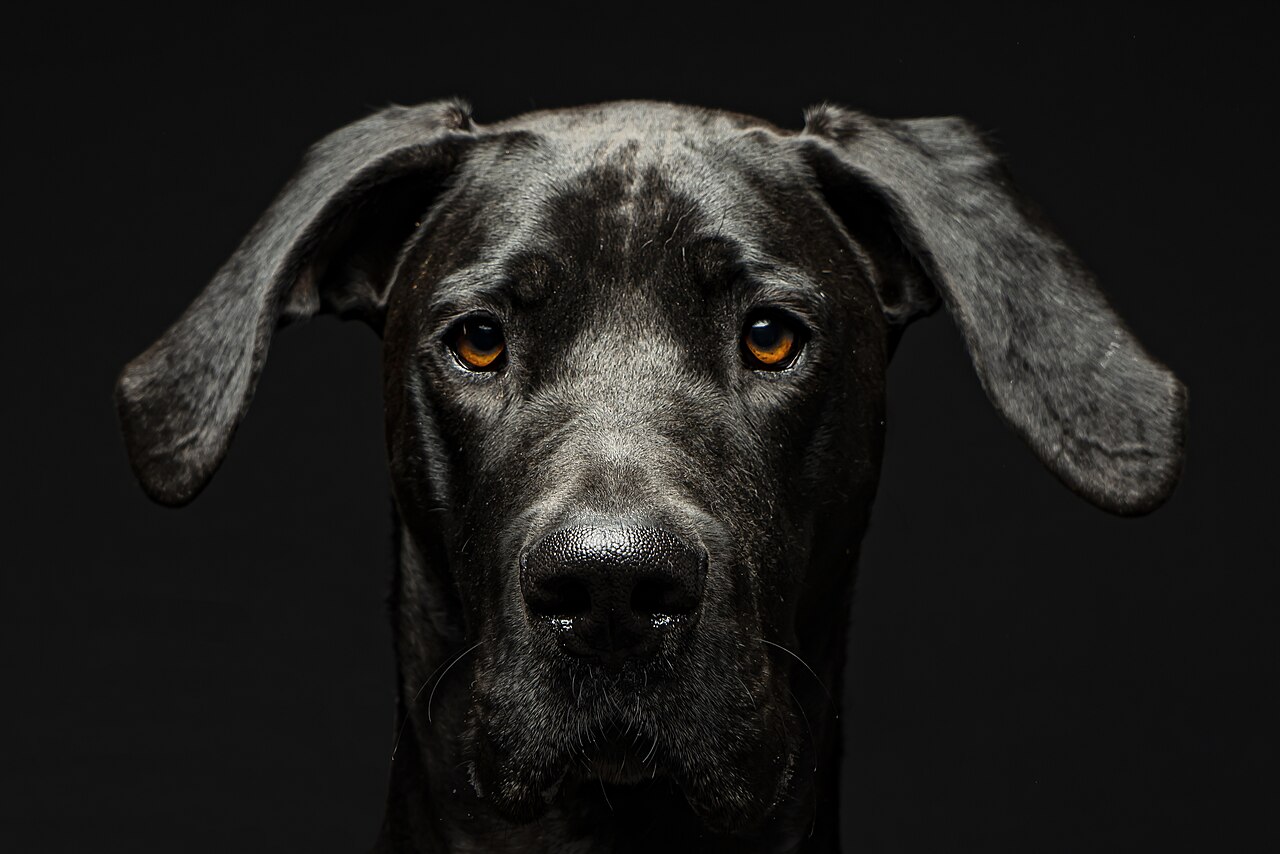
Cost figures are typical ranges, not quotes or guarantees. Your premium depends on your dane's age, your zip code, and the deductible and reimbursement level you choose.
Common health issues in Great Danes
Bloat / gastric dilatation-volvulus (GDV)
Risk level: Common / expensive
The emergency this breed is known for, where the stomach fills with air and can twist, and minutes matter. In the best known modelling study (Ward, Patronek and Glickman, 2003), a Great Dane's lifetime risk of GDV was estimated at 36.7% (95% CI 25.2 to 44.6), the highest of the five breeds modelled, and preventive stomach tacking (gastropexy) was the preferred course in that analysis, with the reduction in GDV mortality versus no gastropexy reaching 29.6-fold in Great Danes. That 36.7% is a modelled lifetime estimate, not a counted population rate, and the around 40% figure sometimes quoted in vet hospital guidance is a rounding of the same research, not a second finding. Emergency GDV surgery commonly costs $3,000 to $6,000 and can exceed $7,000 with hospitalization, while a planned preventive gastropexy usually runs about $800 to $2,500. Emergency GDV surgery is covered as an emergency under standard accident and illness plans; preventive gastropexy usually is not.
Dilated cardiomyopathy (DCM)
Risk level: Common / expensive
A heart muscle disease that screening can find long before a dog looks ill. When researchers screened more than 100 apparently healthy Great Danes over age 4 in a UK study (Stephenson et al., 2012), 35.6% showed dilated cardiomyopathy. That is a screening cohort figure in older dogs whose owners considered them healthy, not a lifetime rate for every Dane. Cornell's College of Veterinary Medicine lists Great Danes among the large and giant breeds predisposed to DCM, notes that genetics likely play a large role and that screening is recommended for predisposed breeds, and is clear that there is no cure, though medication can delay progression. No DNA test exists for this breed's DCM, so a heart ultrasound, not a stethoscope alone, is the screening test that matters, repeated across middle age.
Osteosarcoma (bone cancer)
Risk level: Common / expensive
Two large studies on two continents place Great Danes among the highest risk breeds for bone cancer. In a UK VetCompass case-control study of 1,756 osteosarcoma cases against 905,211 dogs without the disease (Edmunds et al., 2021), Great Danes and Rottweilers had the highest risk, each at over 10 times the odds of crossbreds. In a US teaching hospital study of 179 cases (Rosenberger et al., 2007), prevalence within the hospital breed populations was 4.4% in Great Danes, among the highest recorded, with a mean age at diagnosis of 7.8 years. The two measures differ, odds against crossbreds in UK primary care and a within-breed share in one US hospital population, and both are printed with those labels. Cancer treatment often costs $5,000 to $15,000 or more, printed here as a general cancer treatment range, not a Dane-specific figure, which is why the annual limit matters so much inside a 7 to 10 year life.
Hip dysplasia and breeding-stock screening
Risk level: Common
Hips are a recognized screening point in this breed, alongside the heart, thyroid, and eyes. The breed's CHIC program, run with the Orthopedic Foundation for Animals, lists four tests for breeding Danes: hip dysplasia (OFA or PennHIP), eyes (OFA), congenital cardiac disease (OFA), and autoimmune thyroid disease (OFA), per the Great Dane Club of America health statement published through the AKC. A CHIC number means the tests were completed and the results made public, not that the results were normal. No hip dysplasia percentage for this breed could be corroborated against a primary source for this page, so this page prints the screening point and no percent. Ask a breeder for the parents' hip, heart, thyroid, and eye results; that paperwork is worth more than any breed average.
What does pet insurance cost for a Great Dane?
Start from the $62.44/month national dog average (NAPHIA, 2024 data) as an estimate only; Great Danes are a giant breed (males 30 to 32 inches and 140 to 175 pounds, females 28 to 30 inches and 110 to 140 pounds, per the AKC standard), so quotes usually sit well above that average, and there is no trustworthy breed-specific price to quote here. The value of a policy concentrates in a single bloat emergency, in heart screening and medication across middle age, and in cancer care, all inside a compressed 7 to 10 year life, which also means fewer premium paying years and a high chance that the years a family gets include at least one large claim.
For context, the national average premium for dogs is roughly $62/month - but breed, age, and location move that number a lot. Estimate your premium with our cost calculator, or see the bigger picture in our lifetime cost projector, which compares a common emergency bill with and without coverage.
Two planned procedures often share one conversation in this breed, because the bottom line above pairs gastropexy timing with the spay or neuter visit. Our spay and neuter cost guide sets out what that surgery typically costs, how timing is usually discussed, and what low-cost options look like, so both halves of the conversation have their numbers before the visit.
Another giant breed readers compare this one with is the Cane Corso. Our Cane Corso insurance guide covers that Italian guardian and its joint, bloat, and eyelid story, with its own figures kept strictly separate from the ones above.
What to look for in a policy for a Great Dane
- Enroll as a puppy, and talk to your vet about gastropexy timing at the spay or neuter visit. In this breed the emergency most likely to test a policy can arrive in an otherwise healthy young adult, with no warning note in the records beforehand.
- Choose a high or unlimited annual limit, because one bloat night or one cancer course can exhaust a $5,000 limit on its own.
- Confirm that cancer diagnosis and treatment, including chemotherapy, are covered.
- Ask whether emergency GDV care is covered in full, and understand that preventive gastropexy usually is not.
- Keep the deductible at a level you can pay on a hard day without hesitation - the policy only protects your dog if you can afford to use it.
Compare insurers for your dane
Typical plan options from major insurers:
| Insurer | Reimbursement | Annual limit | Waiting periods | Standout feature | Quote |
|---|---|---|---|---|---|
| Spot | 70%, 80% or 90% | $2,500 - unlimited | 14 days (accident & illness) | Preventive-care add-on available. | Get a quote |
| Trupanion | 90% | Unlimited payouts (no annual cap) | 5 days (injury) / 30 days (illness) | Per-condition lifetime deductible; direct vet payment option. | Get a quote |
| Embrace | 70%, 80% or 90% | $5,000 - $30,000 | No wait (accident) / 14 days (illness) / 6 mo (orthopedic, varies by state) | Deductible shrinks $50 each claim-free year. | Get a quote |
| Pets Best | 70%, 80% or 90% | $5,000 or unlimited | 3 days (accident) / 14 days (illness) / 6 mo (cruciate) | Wellness add-on; short accident waiting period. | Get a quote |
| Lemonade | 70%, 80% or 90% | $5,000 - $100,000 | No wait (accident, most states) / 14 days (illness) / 30 days (orthopedic) / 6 mo (cruciate) | Preventive packages; not offered in every state. | Get a quote |
| ASPCA Pet Health Insurance | 70%, 80% or 90% | Multiple annual-limit options | 14 days (accident & illness) | Preventive-care add-on available. | Get a quote |
| Figo | 70%, 80%, 90% or 100% | Up to unlimited annual max | 1 day (accident) / 14 days (illness) / 6 mo (orthopedic) | One of the few with a 100% reimbursement option. | Get a quote |
| Fetch | 70%, 80% or 90% | $5,000 - unlimited | No wait (accident) / 15 days (illness) / 6 mo (orthopedic) | Covers sick-visit exam fees. | Get a quote |
Plan options shown are typical ranges widely published by each insurer; details change and vary by state. Always confirm current terms on the insurer's website before enrolling. Quote buttons link directly to each insurer's website. We don't earn a commission on these links yet.
Other breed guides
- French Bulldog
- Labrador Retriever
- Golden Retriever
- German Shepherd
- Goldendoodle
- Dachshund
- Rottweiler
- Bulldog
- Cavalier King Charles Spaniel
- Shih Tzu
- Boxer
- Australian Shepherd
- German Shorthaired Pointer
- Pembroke Welsh Corgi
- Bernese Mountain Dog
- Border Collie
- Miniature Schnauzer
- Cocker Spaniel
- Yorkshire Terrier
- Chihuahua
- Pug
- Havanese
- Boston Terrier
- Doberman Pinscher
- Vizsla
- Australian Cattle Dog
- Shetland Sheepdog
- English Springer Spaniel
- Belgian Malinois
- Rhodesian Ridgeback
- Bichon Frise
- Siberian Husky
- Cane Corso
- Dalmatian
- Chow Chow
- Akita
- Alaskan Malamute
Frequently asked questions
Is pet insurance worth it for a Great Dane?
For most Great Dane owners, yes - this is a breed where one major surgery can cost more than years of premiums. The math favors insurance most when the breed's common conditions are expensive, which is the case here.
When should I insure my Great Dane?
As early as possible - ideally as a puppy. Conditions diagnosed before enrollment are excluded as pre-existing, and this breed's predispositions mean waiting is the expensive mistake.
What is the best pet insurance for Great Danes?
There is no single best insurer for every dog - the right pick depends on your budget, your dog's age, and which conditions worry you most. Compare annual limits, orthopedic waiting periods, and reimbursement rates across the table above, then run real quotes. (BreedCover may earn a commission if you buy through our links.)