Last updated: November 2026
Pet insurance for Shetland Sheepdogs
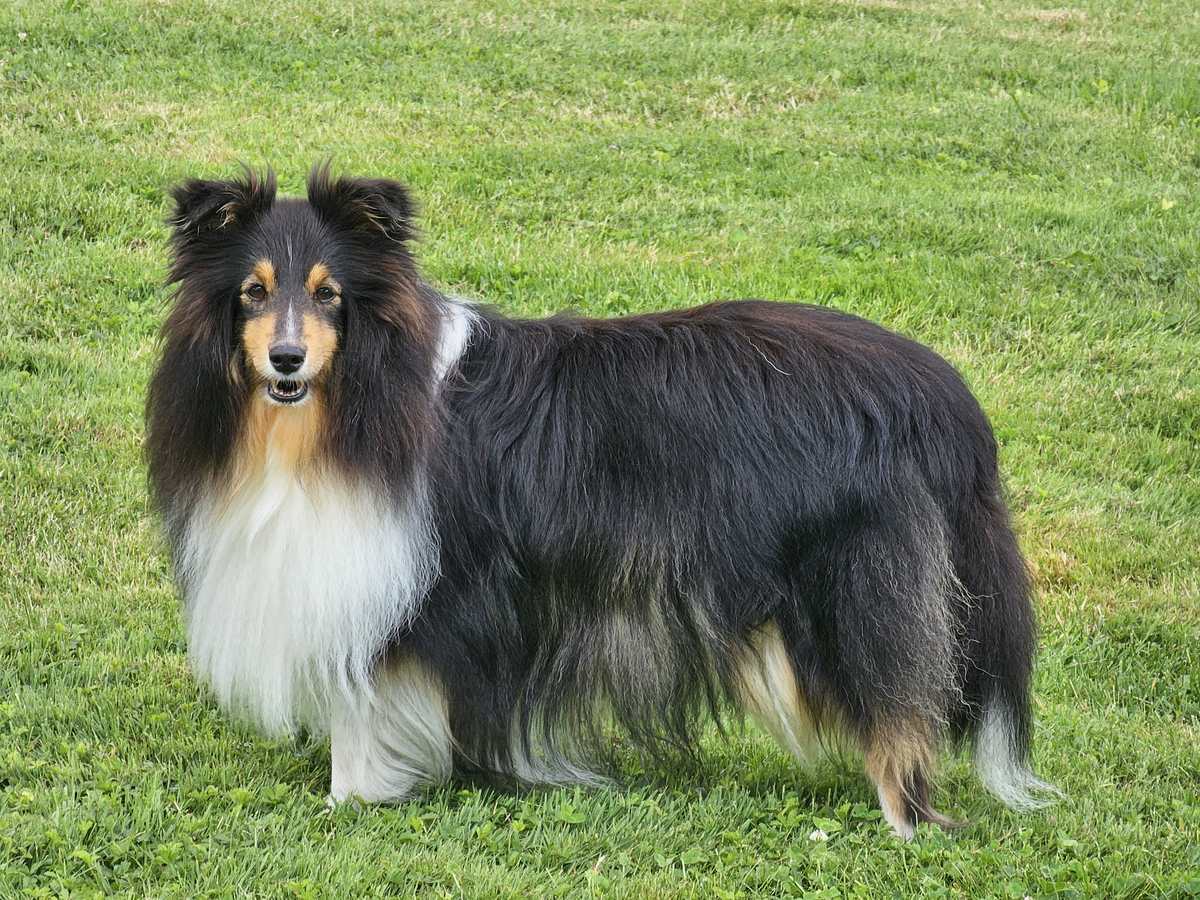
The Shetland Sheepdog, the Sheltie, is a small herding dog developed on Scotland's Shetland Islands, where farmers needed a hardy, clever dog in a compact size. The American Kennel Club places it in the Herding Group, recognized in 1911, standing 13 to 16 inches and weighing 15 to 25 pounds. It is a distinct breed in its own right, not a scaled-down anything. The AKC gives a lifespan of 12 to 14 years, and a 2024 UK study of 584,734 dogs put the breed's median lifespan at 13.4 years, among the longest of the 155 breeds measured. The Sheltie is, at heart, a healthy little dog. Its real planning list is short and unusually knowable: a drug-sensitivity gene, two inherited eye conditions, a bleeding disorder, and a gallbladder risk that arrives in the senior years. Most of it can be read from a DNA panel before a puppy ever comes home, which makes the breeder conversation for this breed one of the most useful you can have before you choose a puppy.
Enroll while your Sheltie is a puppy, before any eye finding, bleeding note, or gallbladder scan exists in the record. Every condition that defines this breed is inherited, and a policy taken out first is the one that can stand behind all of them.
Cost figures are typical ranges, not quotes or guarantees. Your premium depends on your sheltie's age, your zip code, and the deductible and reimbursement level you choose.
Common health issues in Shetland Sheepdogs
Gallbladder mucocele
Risk level: Common / expensive
This is the Sheltie's signature emergency, and it belongs to the senior years. A mucocele is a gallbladder distended with thickened mucus and bile that can obstruct or, in the worst case, rupture, and the breed carries one of the strongest predispositions known. In a University of Tokyo case-control study of 58 dogs with the condition, Shetland Sheepdogs had 6.2 times the odds of gallbladder mucocele, behind only Pomeranians and American Cocker Spaniels. A 2025 review in the Journal of the American Veterinary Medical Association lists the breed among those with a strong predilection for the condition. Researchers have also reported an association with a variant in the ABCB4 gene, found in 14 of 15 Shelties with mucoceles in one study against 1 of 21 unaffected Shelties, though a later study could not confirm the link, so it is best read as a research lead rather than a test to ask for. The hard part is that mucoceles are usually silent until they are not: many are found incidentally on an ultrasound done for another reason, and a dog who obstructs or ruptures needs emergency abdominal surgery the same day, at a cost that runs into the thousands. Ask your vet about a senior ultrasound and bloodwork rhythm, because catching a filling gallbladder early is the difference between a planned procedure and a midnight emergency.
Collie eye anomaly (CEA)
Risk level: Common
Collie eye anomaly is an inherited disorder of the inner structures of the eye, present from birth, caused by a 7.8 kb deletion in intron 4 of the NHEJ1 gene. It is recessive, and a DNA test can classify a dog as clear, carrier, or affected at any age. In its mild form the choroid is thinned and the dog's vision stays normal, but mildly affected dogs can still produce severely affected puppies, which is why testing matters even when a dog sees perfectly well. The severe form can bring colobomas, retinal detachment, and serious vision loss. How common the variant is depends heavily on where the dogs were tested: in an Italian genotyping study of dogs tested between 2010 and 2019, the 74 Shelties included 50.0% carriers and 10.8% affected dogs, the highest allele frequency among the breeds with more than 20 dogs tested, while a survey in Thailand found a mutant allele frequency of just 2.8%. The lesson is not any single number. It is that a breeder who tests can tell you exactly where your puppy stands, and a puppy eye exam by a veterinary ophthalmologist in the first weeks of life catches what the DNA result predicts.
MDR1 drug sensitivity
Risk level: Common
MDR1 is the breed's drug-safety gene. A deletion in the ABCB1 gene can leave a dog unable to move certain medicines out of the brain and body the way it should, so ordinary drugs at ordinary doses can cause a neurological reaction. Washington State University's veterinary pharmacology lab, which runs the reference testing, puts it plainly: the only way to know whether your dog carries the mutation is to test. Published figures use different measures and should never be blended: the university lists an approximate frequency of 15% for the breed, a European survey of 4,729 dogs genotyped between 2012 and 2014 measured a mutant allele frequency of 30.3%, and a Brazilian study of 76 Shelties found 15.8% carriers and an allele frequency of 7.9%, with Japanese dogs far lower again. One thing the lab is equally clear about: the standard heartworm prevention dose of ivermectin, 6 micrograms per kilogram, is safe for dogs with the mutation. The danger lives at far higher doses, 300 to 600 micrograms per kilogram, the range once used against mange. Other drugs on the lab's caution list include loperamide, which it says to avoid in any dog with the mutation, plus certain sedatives and chemotherapy medicines. Test once, in puppyhood, and put the result where every vet who ever treats your dog will see it.
Von Willebrand disease type III
Risk level: Common
Von Willebrand disease type III is the most severe form of the most common inherited bleeding disorder in dogs. The UC Davis Veterinary Genetics Laboratory describes it as a lack or reduced level of a normal blood clotting protein, bringing spontaneous hemorrhaging and prolonged bleeding after trauma. For a Sheltie family its practical face is surgical: a spay, a neuter, or a tooth extraction is exactly when an unknown bleeding disorder announces itself. A DNA test classifies a dog as clear, carrier, or affected at any age, and the test sits in the UK Kennel Club's official DNA testing scheme for the breed. One testing laboratory estimates that about 11% of Shetland Sheepdogs are carriers, and the honest reading is that clinically affected dogs are uncommon, but uncommon is no comfort in an operating room. Ask for both parents' results, and make sure your own dog's result is in front of any surgeon before any procedure is booked.
Dermatomyositis (Sheltie skin syndrome)
Risk level: Less common
Dermatomyositis is a familial, immune-mediated disorder of the skin and muscle that the Sheltie shares with the Collie. It usually appears young, most often before 6 months of age and sometimes as early as 7 to 11 weeks, starting with crusting and hair loss on the face, ears, and tail tip, and in more serious cases moving into the muscles of the jaw and lower legs, which can make eating, drinking, and walking harder. In Shelties it tends to run milder than in Collies, and many cases are skin-deep and manageable with veterinary care. Researchers have identified three genetic risk regions associated with the disease, and a susceptibility test exists, but the inheritance is complex and no study has produced a trustworthy breed-wide percentage, so we publish none. What helps most is a breeder who can talk openly about skin history in their lines, and a vet who sees new facial crusting in a young Sheltie with this condition on the list.
What does pet insurance cost for a Shetland Sheepdog?
Start from the $62.44/month national dog average (NAPHIA, 2024 data) as an estimate only; there is no trustworthy Shetland Sheepdog specific price to quote here. What we can say is that a small, long-lived herder is typically priced toward the lower end of the dog range, and that the money question for this breed is rarely the premium. It is the senior gallbladder emergency that arrives without warning, and the long life that makes one more likely: a median of 13.4 years means a lot of senior years, which is exactly where the mucocele risk lives. Two further inherited eye diseases, progressive retinal atrophy in its CNGA1 form and a second BBS2 form, can take vision gradually in adulthood, and the breed club's own health list also names hip dysplasia, thyroid disease, and epilepsy as known problems, while noting they are not common in the breed. Hips are screened in breeding dogs because the condition is on that list, not because Shelties are famous for it. Plan for the eyes, the blood, and the gallbladder, and keep the breeder's test results for all of them.
For context, the national average premium for dogs is roughly $62/month - but breed, age, and location move that number a lot. Estimate your premium with our cost calculator, or see the bigger picture in our lifetime cost projector, which compares a common emergency bill with and without coverage.
Shared genes, different dog: the Sheltie shares its two best-known gene conversations, collie eye anomaly and MDR1 drug sensitivity, with its larger herding cousin. Our Border Collie insurance guide covers the same two genes in a bigger, busier dog, with its own figures kept separate from the ones above.
What to look for in a policy for a Shetland Sheepdog
- Enroll while your Sheltie is a puppy, before any eye finding, bleeding note, or gallbladder scan exists in the record. Every condition that defines this breed is inherited, and a policy taken out first is the one that can stand behind all of them.
- Ask any breeder for both parents' DNA results: collie eye anomaly, MDR1, von Willebrand disease type III, and progressive retinal atrophy, which comes in two forms in this breed. Ask for hip and eye exam results too, and check the actual results in the OFA database. A CHIC number means the tests were done and the results are public. It does not mean the dog passed.
- Check that hereditary and congenital conditions are covered, not excluded. The Sheltie's whole list, eyes, bleeding, gallbladder, and skin, is inherited, so a policy that carves out hereditary conditions carves out this breed.
- Once you know your dog's MDR1 result, tell every veterinarian who treats them, and keep the result with their records for life. It only takes one prescription written without it to matter.
- Keep the deductible at a level you can pay on a hard day without hesitation - the policy only protects your dog if you can afford to use it.
Compare insurers for your sheltie
Typical plan options from major insurers:
| Insurer | Reimbursement | Annual limit | Waiting periods | Standout feature | Quote |
|---|---|---|---|---|---|
| Spot | 70%, 80% or 90% | $2,500 - unlimited | 14 days (accident & illness) | Preventive-care add-on available. | Get a quote |
| Trupanion | 90% | Unlimited payouts (no annual cap) | 5 days (injury) / 30 days (illness) | Per-condition lifetime deductible; direct vet payment option. | Get a quote |
| Embrace | 70%, 80% or 90% | $5,000 - $30,000 | No wait (accident) / 14 days (illness) / 6 mo (orthopedic, varies by state) | Deductible shrinks $50 each claim-free year. | Get a quote |
| Pets Best | 70%, 80% or 90% | $5,000 or unlimited | 3 days (accident) / 14 days (illness) / 6 mo (cruciate) | Wellness add-on; short accident waiting period. | Get a quote |
| Lemonade | 70%, 80% or 90% | $5,000 - $100,000 | No wait (accident, most states) / 14 days (illness) / 30 days (orthopedic) / 6 mo (cruciate) | Preventive packages; not offered in every state. | Get a quote |
| ASPCA Pet Health Insurance | 70%, 80% or 90% | Multiple annual-limit options | 14 days (accident & illness) | Preventive-care add-on available. | Get a quote |
| Figo | 70%, 80%, 90% or 100% | Up to unlimited annual max | 1 day (accident) / 14 days (illness) / 6 mo (orthopedic) | One of the few with a 100% reimbursement option. | Get a quote |
| Fetch | 70%, 80% or 90% | $5,000 - unlimited | No wait (accident) / 15 days (illness) / 6 mo (orthopedic) | Covers sick-visit exam fees. | Get a quote |
Plan options shown are typical ranges widely published by each insurer; details change and vary by state. Always confirm current terms on the insurer's website before enrolling. Quote buttons link directly to each insurer's website. We don't earn a commission on these links yet.
Other breed guides
- French Bulldog
- Labrador Retriever
- Golden Retriever
- German Shepherd
- Goldendoodle
- Dachshund
- Rottweiler
- Bulldog
- Cavalier King Charles Spaniel
- Shih Tzu
- Boxer
- Australian Shepherd
- German Shorthaired Pointer
- Pembroke Welsh Corgi
- Bernese Mountain Dog
- Border Collie
- Miniature Schnauzer
- Cocker Spaniel
- Yorkshire Terrier
- Great Dane
- Chihuahua
- Pug
- Havanese
- Boston Terrier
- Doberman Pinscher
- Vizsla
- Australian Cattle Dog
- English Springer Spaniel
- Belgian Malinois
- Rhodesian Ridgeback
- Bichon Frise
- Siberian Husky
- Cane Corso
- Dalmatian
- Chow Chow
- Akita
- Alaskan Malamute
Frequently asked questions
Is pet insurance worth it for a Shetland Sheepdog?
For most Shetland Sheepdog owners, yes - this is a breed where one major surgery can cost more than years of premiums. The math favors insurance most when the breed's common conditions are expensive, which is the case here.
When should I insure my Shetland Sheepdog?
As early as possible - ideally as a puppy. Conditions diagnosed before enrollment are excluded as pre-existing, and this breed's predispositions mean waiting is the expensive mistake.
What is the best pet insurance for Shetland Sheepdogs?
There is no single best insurer for every dog - the right pick depends on your budget, your dog's age, and which conditions worry you most. Compare annual limits, orthopedic waiting periods, and reimbursement rates across the table above, then run real quotes. (BreedCover may earn a commission if you buy through our links.)