Last updated: November 2026
Pet insurance for Scottish Folds
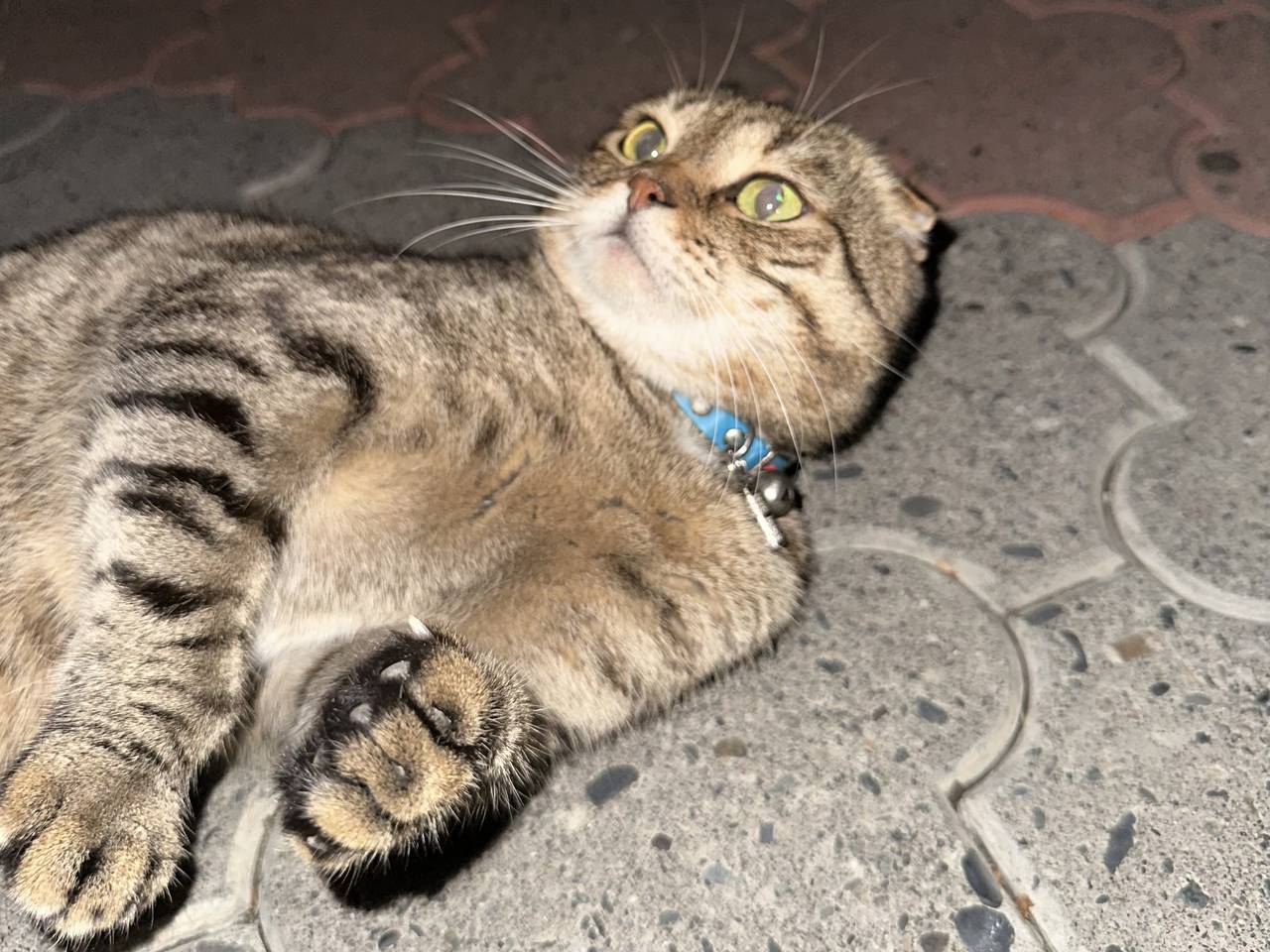
A round, owl-eyed, gentle and devoted companion - males 9 to 13 pounds and females 6 to 9 pounds in the breed profiles published by the Cat Fanciers' Association (CFA) affiliated Scottish Fold association and by Basepaws - whose folded ears give the breed its name and its defining health story. Every Scottish Fold descends from Susie, a white barn cat with folded ears found near Coupar Angus in Scotland in 1961. The honest sentence belongs early: those folded ears come from a cartilage condition that affects the whole body, and every folded-ear cat carries it to some degree. This guide covers what that means for a lifetime of joint care and for insurance, without alarm and without softening it. Breed profiles commonly give a lifespan of 11 to 15 years; unlike several breeds on this site, there is no VetCompass life-table figure for the Scottish Fold, so treat that range as a general guide, with joint health, not a birth statistic, shaping an individual Fold's later years. Recognition is split, too, and the split is about health: CFA and The International Cat Association (TICA) recognize the breed, while the UK Governing Council of the Cat Fancy (GCCF) and FIFe do not.
Enroll as a kitten, before any vet note about gait, joints, or tail stiffness exists - in this breed more than any other on this site, the first written observation can decide whether a lifetime of joint care is covered or excluded.
Cost figures are typical ranges, not quotes or guarantees. Your premium depends on your cat's age, your zip code, and the deductible and reimbursement level you choose.
Common health issues in Scottish Folds
Osteochondrodysplasia, the cartilage condition behind the folded ears
Risk level: Common / expensive
The folded ear is a cartilage disorder made visible. Gandolfi et al. (2016) found that the dominantly inherited folded ear and osteochondrodysplasia in Scottish Folds are associated with a single variant in the TRPV4 gene (c.1024G>T, p.V342F), a calcium channel gene involved in cartilage and bone development, and the variant was not found in 648 unaffected cats in that study. The condition involves malformation of the distal forelimbs, distal hindlimbs and tail, and progressive joint destruction. Malik et al. (1999), the foundational clinical study, found that cats with two copies of the fold gene, from Fold-to-Fold matings, develop severe, early, crippling disease, and that cats with one copy, the usual result of outcrossing to a straight-eared cat, also develop lesions, in that study from about 6 months of age. Every folded-ear cat is affected to some degree; severity is the variable, never presence. A DNA test for the TRPV4 variant exists in commercial feline genetics panels, so a breeder can state a kitten's copy number, but that is a severity conversation, never a clear-versus-affected conversation, because one copy still folds the ears and still carries the disease. How much disease vets actually see depends on how they look. In Malik et al. (1999), apparently healthy one-copy Folds from a cattery survey all showed X-ray signs of the disease, ranging from mild to severe. In a later blinded study, Rorden et al. (2021) assessed radiographs and genotypes for 22 Scottish Fold cats (10 folded-ear cats, all with one copy, and 12 straight-eared cats, none carrying the variant) and found the signs in one-copy cats were much milder than previously published, though folded-ear cats still scored worse on average. Vet records tell the lowest-looking story: a VetCompass Australia study of records from 1992 to 2018 (1,131 Scottish Folds and 117 Scottish Straights) recorded a formal diagnosis in only 12 of 1,131 Folds, about 1.1%, with 69 further cats identified as suspected cases, 64 of them Folds, and diagnosed cats generally under 30 months of age. That 1.1% is a record-keeping figure, not a share affected: most cases are managed as arthritis without the breed label ever being written down.
Arthritis and joint pain care across a lifetime
Risk level: Common / expensive
The joint changes are progressive and incurable, so care is management across a whole life: pain relief agreed with your vet, careful weight control so sore joints carry less load, home adaptations such as ramps, low-entry litter trays and soft bedding, and regular vet review as things change, with severity and onset varying by copy number and by individual cat (Malik et al., 1999; Gandolfi et al., 2016). The signs owners should never wait on are reluctance to jump, a stiff or stilted gait, a short, thick, inflexible tail, swollen wrist or ankle joints, and sitting in unusual postures to take weight off sore feet. International Cat Care notes that breeding Folds raises serious welfare concerns, and this page says that honestly and once: loving a Fold you already have, and planning its care well, is a different thing from choosing how the next litter is bred. No trustworthy two-source cost figure for feline arthritis care was verified for this page, so costs here stay qualitative on purpose: regular vet visits, long-term pain medication, and imaging when signs change.
Choosing a kitten, the questions that reduce severity
Risk level: Common
One breeding rule is agreed by every authority behind this page: never breed Fold to Fold, because two copies produce the severe, early form (Malik et al., 1999). Responsible litters outcross a Fold to a British Shorthair, an American Shorthair, or a straight-eared Scottish Straight, and the British Shorthair outcross is this breed's traditional one. In a litter like that, only kittens who inherit the variant have folded ears, and straight-eared littermates, called Scottish Straights, do not carry the variant and do not develop the condition (Rorden et al., 2021). A straight-eared kitten from a Fold litter is the one choice in this breed family with no cartilage disease attached, and it is worth saying kindly and plainly. The questions that protect a buyer are these: was either parent a Fold bred to another Fold, and if so, walk away; what is the folded parent's own joint history and age; and can you see the parents moving freely? Price, color, and ear tightness are not health questions, and this page does not treat them as such.
Polycystic kidney disease (PKD)
Risk level: Less common
Present in this breed through its Persian and British ancestry, and handled here the same calm way as in our Persian and British Shorthair guides. The PKD1 variant, the same autosomal dominant variant as in Persians (Lyons et al., 2004), occurs in Scottish Folds, a DNA test exists, and a cat with one copy passes the variant to about half of its kittens (Schirrer et al., 2021; VCA Hospitals). No trustworthy Scottish Fold percentage was verified for this page, so none is printed. The practical step is one breeder question: ask for both parents' PKD test results.
The British Shorthair is this breed's traditional outcross and its closest relative on this site. Our British Shorthair insurance guide covers that breed's heart, weight, stone, and dental risks, and it is the natural companion read to this one.
What does pet insurance cost for a Scottish Fold?
Start from the $32.21/month national cat average (NAPHIA, 2024 data) as an estimate only; there is no trustworthy Scottish Fold-specific price to quote here. The value of a policy for this breed concentrates in years of joint and pain care that this breed, uniquely on this site, is certain to need at some level, regular imaging and vet review as signs change, and kidney monitoring in lines where PKD has not been tested out. Because the core condition is present from kittenhood by definition, timing matters more here than for any other cat breed on this site: a policy bought before any joint sign or vet note exists is the whole game. One accuracy note on hearts: hypertrophic cardiomyopathy (HCM), the most common feline heart disease generally, found in about 10% to 15% of the general pet cat population in screening studies, also occurs in Scottish Folds; screening is by echocardiogram, typically $300 to $800 in published US cost guides, and there is no Scottish Fold DNA test for heart disease.
For context, the national average premium for cats is roughly $32/month - but breed, age, and location move that number a lot. Estimate your premium with our cost calculator, or read the full cat insurance hub for how cat coverage works.
What to look for in a policy for a Scottish Fold
- Enroll as a kitten, before any vet note about gait, joints, or tail stiffness exists - in this breed more than any other on this site, the first written observation can decide whether a lifetime of joint care is covered or excluded.
- Confirm that hereditary conditions are covered, and ask specifically, in writing, how a breed-defining inherited condition like this cartilage condition is treated by the policy.
- Choose a limit and renewal terms sized for years of recurring joint care, regular imaging, and pain medication, rather than for one big surgery.
- Keep every early vet record clean and honest, and never hide a limp or a stiff tail - undisclosed signs can void trust at claim time.
- Keep the deductible at a level you can pay on a hard day without hesitation - the policy only protects your cat if you can afford to use it.
Compare insurers for your Scottish Fold
Typical plan options from major insurers:
| Insurer | Reimbursement | Annual limit | Waiting periods | Standout feature | Quote |
|---|---|---|---|---|---|
| Spot | 70%, 80% or 90% | $2,500 - unlimited | 14 days (accident & illness) | Preventive-care add-on available. | Get a quote |
| Trupanion | 90% | Unlimited payouts (no annual cap) | 5 days (injury) / 30 days (illness) | Per-condition lifetime deductible; direct vet payment option. | Get a quote |
| Embrace | 70%, 80% or 90% | $5,000 - $30,000 | No wait (accident) / 14 days (illness) / 6 mo (orthopedic, varies by state) | Deductible shrinks $50 each claim-free year. | Get a quote |
| Pets Best | 70%, 80% or 90% | $5,000 or unlimited | 3 days (accident) / 14 days (illness) / 6 mo (cruciate) | Wellness add-on; short accident waiting period. | Get a quote |
| Lemonade | 70%, 80% or 90% | $5,000 - $100,000 | No wait (accident, most states) / 14 days (illness) / 30 days (orthopedic) / 6 mo (cruciate) | Preventive packages; not offered in every state. | Get a quote |
| ASPCA Pet Health Insurance | 70%, 80% or 90% | Multiple annual-limit options | 14 days (accident & illness) | Preventive-care add-on available. | Get a quote |
| Figo | 70%, 80%, 90% or 100% | Up to unlimited annual max | 1 day (accident) / 14 days (illness) / 6 mo (orthopedic) | One of the few with a 100% reimbursement option. | Get a quote |
| Fetch | 70%, 80% or 90% | $5,000 - unlimited | No wait (accident) / 15 days (illness) / 6 mo (orthopedic) | Covers sick-visit exam fees. | Get a quote |
Plan options shown are typical ranges widely published by each insurer; details change and vary by state. Always confirm current terms on the insurer's website before enrolling. Quote buttons link directly to each insurer's website. We don't earn a commission on these links yet.
Other cat breed guides
- Maine Coon
- Ragdoll
- British Shorthair
- Siamese
- Bengal
- Persian
- Sphynx
- Norwegian Forest Cat
- Russian Blue
- Abyssinian
- Devon Rex
- American Shorthair
Frequently asked questions
Is pet insurance worth it for a Scottish Fold?
For most Scottish Fold owners, yes - this is a breed where screening, treatment for its known conditions, and dental work can add up to far more than years of premiums. The math favors insurance most when a breed's common conditions are expensive or repeat over time, which is the case here.
When should I insure my Scottish Fold?
As early as possible - ideally as a kitten. Conditions diagnosed before enrollment are excluded as pre-existing, and this breed's predispositions mean waiting is the expensive mistake.
What is the best pet insurance for Scottish Folds?
There is no single best insurer for every cat - the right pick depends on your budget, your cat's age, and which conditions worry you most. Compare annual limits, hereditary-condition terms, dental terms, and reimbursement rates across the table above, then run real quotes. (BreedCover may earn a commission if you buy through our links.)